Would you like to switch to the accessible version of this site?

Go to accessible site Close modal window

Don't need the accessible version of this site?

Hide the accessibility button Close modal window
Accessibility View Close toolbar
Victoria Family Eyecare

6380 N. Navarro

Victoria, TX 77904 US

(361) 570-2010

Open mobile navigation
  • Home
  • About Us
    • Meet the Doctor
  • Patient Center
    • Online Forms
  • Eyecare Services
    • Contact Lens Exams
    • Eye & Vision Exams
  • Frame Selection
  • Products
    • Contacts
    • Frames
    • Latisse
  • Payment Options
  • Contact Us
  • Resources
  • Community Content
    • Common Eye Conditions
      • Age-Related
      • Cognitive and Acquired
      • Vision Impairment
      • Injury & Irritation
      • Eye Lids
      • Changes in Appearance
    • Contact Lenses
    • Eye Diseases
    • Eyeglasses
      • Eyeglass Lenses
    • Eye Symptoms
    • How the Eyes Work
      • Basic Visual Skills
    • Pediatric Vision
    • Protecting Your Eyes
    • Visual Rehabilitation
    • Vision Problems
    • What is Vision Therapy
    • Vision Therapy Programs
    • We Can Help With
      • Cataracts
      • Corneal Disorders
        • Disorders
      • Glaucoma
      • Refractive Disorders
      • Adult Strabismus
      • Retinal Disorders
    • Newsletters
      • Glasses & Frames
      • Contacts
      • Tips for Healthy Eyes
      • Conditions That Affect Vision
      • Kid's Vision
      • Amazing, Interesting Eyes
      • Medical Perspectives
  • Promotions
  • Sunbit
  • Neurolens
  • Home >
  • Articles >
  • Newsletters >
  • How Diet Affects Vision

How Diet Affects Vision

  • Created in Newsletters

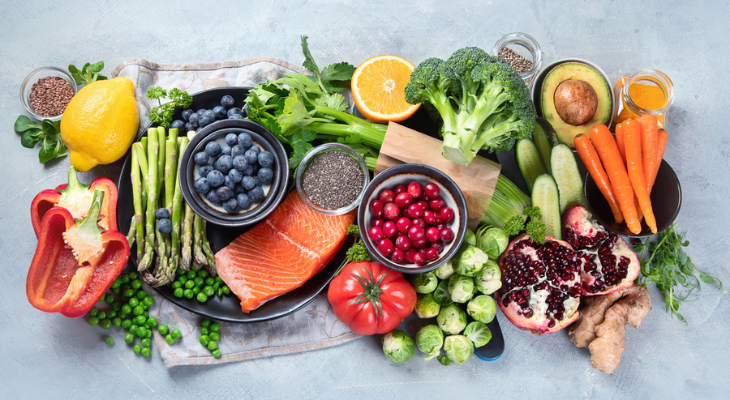
Healthy foods

The Importance of Nutrition in Maintaining Your Eye Health

Food is more than just fuel for your body. The foods you eat could help you improve your health and reduce your risk of a variety of health conditions, including disorders and diseases that affect your vision.

A Healthy Diet Protects Your Eyesight

Food provides nutrients that help to keep every part of your eye healthy. If your diet consists mostly of fried, fatty, processed, or sugary foods, your eyes may suffer, as a teenage boy in the United Kingdom discovered a few years ago. The boy ate a diet that consisted solely of French fries, ham slices, sausage, potato chips, and white bread for years. The diet decreased his B12, vitamin D, copper, and selenium levels while raising his zinc level.

By the time he was 17, his poor diet choices had caused permanent vision loss due to optic nerve damage, according to University of Bristol researchers. The optic nerve carries electrical impulses from the eyes to the brain.

Fortunately, you can avoid a similar fate if your diet includes foods that contain:

  • Vitamin C. Add oranges, strawberries, broccoli, Brussels sprouts, and other foods high in vitamin C to your diet to sharpen your vision and reduce your risk of age-related macular degeneration. AMD causes blurred or blank spots in your central vision and is the leading cause of loss of vision in older people, according to the National Eye Institute.
  • Vitamin B. Vitamin B6, B12, and other B vitamins are essential for a healthy retina and optic nerve. They also lower your AMD risk. Increase your intake of B vitamins by choosing recipes that feature salmon, spinach, liver, beef, chicken, turkey, yogurt, black beans, milk, oysters, collard greens, and clams.
  • Vitamin D. Vitamin D lubricates your eyes and relieves dry eye symptoms. It may also reduce your risk of AMD and uveitis. Uveitis is a painful inflammation in the middle of the eye that causes blurred vision, floaters, and red eyes. Foods that contain vitamin D include tuna, mackerel, salmon, fortified orange juice, cereal, and milk.
  • Vitamin E. Vitamin E also reduces your risk of AMD and may slow the progression of cataracts. Cataracts occur when the normally clear lens inside your eye becomes cloudy. Add red bell peppers, sunflower oil, spinach, avocados, pecans, cereal, mangos, and wheat germ to your shopping list to protect your eyes.
  • Lutein and Zeaxanthin. These nutrients also offer protection against cataracts and AMD. They can be found in squash, broccoli, asparagus, eggs, grapes, peas, pumpkins, and green leafy vegetables. Lutein and zeaxanthin are two of the ingredients included in AREDS2 supplements recommended for people who have AMD. The supplements may prevent intermediate AMD from turning into late AMD, according to the National Eye Institute. AREDS2 supplements, available at drugstores, also contain zinc, copper, and vitamins C and E.
  • Omega Fatty Acids. Omega fatty acids keep your eyes comfortably moist and are essential for the health of your retina, in addition to offering some protection from AMD and diabetic retinopathy. Stock up on flaxseed oil, canola oil, tofu, oysters, salmon, shrimp, trout, and soybeans to ensure that you're getting enough of these crucial fatty acids.
  • Beta-Carotene and Vitamin A. Eye-friendly beta-carotene is found in carrots, sweet potatoes, spinach, cantaloupe, broccoli, lettuce, and tomatoes. Your body converts beta-carotene into vitamin A, a vitamin essential for eye health.

The ideal diet includes plenty of fresh fruits and vegetables, whole grains, low-fat dairy products, healthy fats, poultry, fish, and lean meats. Although everyone enjoys a sweet treat from time to time, including too much sugar or carbohydrates in your diet could increase your risk of developing diabetes.

High levels of glucose (blood sugar) not only raise your risk of heart attack, stroke, and kidney damage but can also lead to vision loss if you have diabetes. As your blood sugar rises, blood vessels inside your eye may leak, causing blurred vision. Luckily, a healthy diet will reduce your risk of developing diabetes-related eye conditions and other diseases that affect your vision.

In addition to making healthy food choices, regular visits to the optometrist will help you protect your eyes. Are you due for an eye exam? Give us a call to arrange your visit.

Sources:

University of Bristol: Poor Diet Can Lead to Blindness, 9/3/2019

National Eye Institute: Age-Related Macular Degeneration, 6/22/2021

National Eye Institute: AREDS2 Supplements for Age-Related Macular Degeneration, 6/22/2021

American Academy of Ophthalmology: Diet and Nutrition, 11/2/20

Review of Optometry: Vitamin D Deficiency and Dry Eye Go Hand in Hand, 10/10/18

  • Common Eye Conditions
    • Age-Related
    • Cognitive and Acquired
    • Vision Impairment
    • Injury & Irritation
    • Eye Lids
    • Changes in Appearance
  • Contact Lenses
  • Eye Diseases
  • Eyeglasses
    • Eyeglass Lenses
  • Eye Symptoms
  • How the Eyes Work
    • Basic Visual Skills
  • Pediatric Vision
  • Protecting Your Eyes
  • Visual Rehabilitation
  • Vision Problems
  • What is Vision Therapy
  • Vision Therapy Programs
  • We Can Help With
    • Cataracts
    • Corneal Disorders
      • Disorders
    • Glaucoma
    • Refractive Disorders
    • Adult Strabismus
    • Retinal Disorders
  • Newsletters
    • Glasses & Frames
    • Contacts
    • Tips for Healthy Eyes
    • Conditions That Affect Vision
    • Kid's Vision
    • Amazing, Interesting Eyes
    • Medical Perspectives

Contact Us

We look forward to hearing from you.

Error!

    • Our Services

      We strive to provide complete care for our patients/ learn more about all the services we provide.
      Learn More
    • Schedule Online

      We will do our best to accommodate your busy schedule. Schedule an appointment today!
    • Promotions

      CLICK HERE TO VIEW ALL

    Hours of Operation

    Our Regular Schedule /We close daily for lunch from 12:45pm to 2pm

    Monday:

    10:00am

    6:00pm

    Tuesday:

    9:00am

    5:00pm

    Wednesday:

    10:00am

    6:00pm

    Thursday:

    9:00am

    5:00pm

    Friday:

    9:00am

    5:00pm

    Saturday:

    Closed

    Closed

    Sunday:

    Closed

    Closed

    No Testimonials settings found. Please configure it.
    • March Newsletter: Top Signs You Need to See an Optometrist

      Do you need to make an appointment with the eye doctor? ...

      Read More
    • March Newsletter: How Dehydration Affects Your Eye Health

      Do you know how dehydration affects your eyes? ...

      Read More
    • February Newsletter: How to Prepare for an Eye Exam

      Are you ready for your eye exam? ...

      Read More
    • February Newsletter: What are Eye Floaters and When Should You Seek Treatment?

      Do you know when eye floaters need treatment? ...

      Read More
    • January Newsletter: Why You Should Not Ignore Dry Eye Symptoms

      Are your eyes dry? Find out why you shouldn't overlook your symptoms. ...

      Read More
    • January Newsletter: How the 20-20-20 Rule Can Reduce Eye Strain

      Struggling with eye strain? This simple rule can help. ...

      Read More
    • December Newsletter: The Best Contact Lenses for Dry Eyes

      Need to find more comfortable contacts for your dry eyes? Take a look at these options. ...

      Read More
    • December Newsletter: Daily Habits That Affect Your Vision

      Could your daily habits harm your eyesight? ...

      Read More
    • November Newsletter: Why It's Important to Have an Extra Pair of Eyeglasses or Contact Lenses

      Do you have an extra pair of eyeglasses or contact lenses? ...

      Read More
    • November Newsletter: The Advantages of Rimless Eyeglasses

      Are rimless eyeglasses right for you? ...

      Read More
    No Health Form settings found. Please configure it.
    • Copyright © 2026 MH Sub I, LLC dba iMatrix.
    • Admin Log In
    • Site Map