Would you like to switch to the accessible version of this site?

Go to accessible site Close modal window

Don't need the accessible version of this site?

Hide the accessibility button Close modal window
Accessibility View Close toolbar
Victoria Family Eyecare

6380 N. Navarro

Victoria, TX 77904 US

(361) 570-2010

Open mobile navigation
  • Home
  • About Us
    • Meet the Doctor
  • Patient Center
    • Online Forms
  • Eyecare Services
    • Contact Lens Exams
    • Eye & Vision Exams
  • Frame Selection
  • Products
    • Contacts
    • Frames
    • Latisse
  • Payment Options
  • Contact Us
  • Resources
  • Community Content
    • Common Eye Conditions
      • Age-Related
      • Cognitive and Acquired
      • Vision Impairment
      • Injury & Irritation
      • Eye Lids
      • Changes in Appearance
    • Contact Lenses
    • Eye Diseases
    • Eyeglasses
      • Eyeglass Lenses
    • Eye Symptoms
    • How the Eyes Work
      • Basic Visual Skills
    • Pediatric Vision
    • Protecting Your Eyes
    • Visual Rehabilitation
    • Vision Problems
    • What is Vision Therapy
    • Vision Therapy Programs
    • We Can Help With
      • Cataracts
      • Corneal Disorders
        • Disorders
      • Glaucoma
      • Refractive Disorders
      • Adult Strabismus
      • Retinal Disorders
    • Newsletters
      • Glasses & Frames
      • Contacts
      • Tips for Healthy Eyes
      • Conditions That Affect Vision
      • Kid's Vision
      • Amazing, Interesting Eyes
      • Medical Perspectives
  • Promotions
  • Sunbit
  • Neurolens
  • Home >
  • Articles >
  • Newsletters >
  • A Look at the Human Eye

A Look at the Human Eye

  • Created in Newsletters

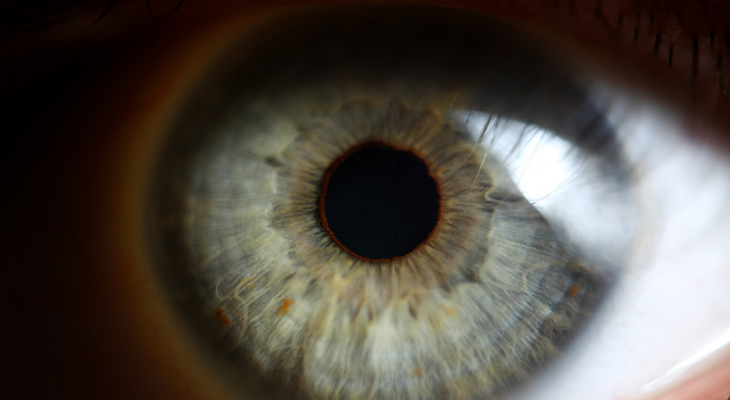
Human eye

How the Human Eye Works

Seeing is possible thanks to a complicated series of events that start in the eyes and end in the brain. The entire process happens almost instantaneously and is only successful if every part of your visual system works properly.

It All Starts with the Cornea

Your cornea, a clear, rounded layer of tissue that covers your pupil and iris, helps light reach your eyes by bending the rays as they enter your pupils.

The iris and pupil work together to let light into the eye. Have you noticed that your pupils look bigger when the light is dim? Tiny muscles in the iris make the pupil bigger when it's harder to see, allowing more light to enter your eyes. The muscles shrink the size of your pupils when it's bright outside or inside.

The Lens Is Essential for a Clear Picture

Light rays pass through the lens and the vitreous humor after entering the eye. The lens is a transparent disc located inside the eye under the iris and pupil, while the vitreous is the clear gel that gives the eye its shape.

The muscles that control the shape of the lens relax, causing the lens to flatten when you look at an object in the distance. The opposite happens when you look at something nearby. The muscles contract, thickening the lens. The ability of the lens to change shape allows you to shift your focus from near to far objects and back again.

The lens focuses light rays on the retina in the back of the eye. If your eyeball is too long, the rays will focus in front of the retina, causing myopia, or nearsightedness. If you're nearsighted, close objects are easy to see, while everything in the distance looks blurry.

Hyperopia, or farsightedness, occurs when your eyeball is too short. Light rays focus beyond your retina and make your near vision blurry.

As you get older, the lenses of your eyes become less flexible. The loss of flexibility affects your ability to see near objects clearly. This condition, called presbyopia, usually begins in your early- to mid-forties, according to the American Optometric Association. Fortunately, a pair of reading glasses will make it much easier to read a book or thread a needle.

The Retina Transforms Light Rays

The retina covers the back of the eye and contains two types of photoreceptor cells. The rods, found in the outer part of the retina, are essential for side vision and help you see in dim light. Cones, the other type of photoreceptor cells, are located in the macula, the center part of the retina. Cones are needed for color vision and also help you see fine details easily.

The retina turns light rays into electrical impulses, then sends the impulses to the occipital lobe of the brain through the optic nerve. Problems with your retinas or optic nerve can affect your vision.

If you have macular degeneration, a common age-related eye condition, your central vision may be blurry or you may notice blank spots in the middle part of your vision. Increased eye pressure due to glaucoma can damage your optic nerve, causing partial or total loss of vision.

How Your Brain Helps You See

The visual cortex in the brain's occipital lobe serves as the vision command center. The cortex processes and stores images and helps you make sense of what you see. Thanks to your brain, you can recognize faces, colors, letters, and shapes. You can also see fine details, avoid obstacles, keep your balance, predict the speed of moving objects, remember the things you've seen in the past, and easily recall information after reading it.

Your brain also controls the muscles that move your eyes and turns the slightly different information received from each of your eyes into one clear image.

If a stroke, tumor, infection, disease, or head trauma injures the brain, your vision and your ability to understand what you see can be temporarily or permanently affected.

Annual visits to the optometrist help you ensure that every part of your visual system is working properly. Contact our office if you're ready to schedule your next eye exam.

Sources:

American Optometric Association: Adult Vision: 41 - 60 Years of Age

National Eye Institute: How the Eyes Work

American Optometric Association: How Your Eyes Work

American Macular Degeneration Foundation: How the Eye Works as a Camera

American Academy of Ophthalmology: Eye Anatomy: Parts of the Eye and How We See, 3/9/21

  • Common Eye Conditions
    • Age-Related
    • Cognitive and Acquired
    • Vision Impairment
    • Injury & Irritation
    • Eye Lids
    • Changes in Appearance
  • Contact Lenses
  • Eye Diseases
  • Eyeglasses
    • Eyeglass Lenses
  • Eye Symptoms
  • How the Eyes Work
    • Basic Visual Skills
  • Pediatric Vision
  • Protecting Your Eyes
  • Visual Rehabilitation
  • Vision Problems
  • What is Vision Therapy
  • Vision Therapy Programs
  • We Can Help With
    • Cataracts
    • Corneal Disorders
      • Disorders
    • Glaucoma
    • Refractive Disorders
    • Adult Strabismus
    • Retinal Disorders
  • Newsletters
    • Glasses & Frames
    • Contacts
    • Tips for Healthy Eyes
    • Conditions That Affect Vision
    • Kid's Vision
    • Amazing, Interesting Eyes
    • Medical Perspectives

Contact Us

We look forward to hearing from you.

Error!

    • Our Services

      We strive to provide complete care for our patients/ learn more about all the services we provide.
      Learn More
    • Schedule Online

      We will do our best to accommodate your busy schedule. Schedule an appointment today!
    • Promotions

      CLICK HERE TO VIEW ALL

    Hours of Operation

    Our Regular Schedule /We close daily for lunch from 12:45pm to 2pm

    Monday:

    10:00am

    6:00pm

    Tuesday:

    9:00am

    5:00pm

    Wednesday:

    10:00am

    6:00pm

    Thursday:

    9:00am

    5:00pm

    Friday:

    9:00am

    5:00pm

    Saturday:

    Closed

    Closed

    Sunday:

    Closed

    Closed

    No Testimonials settings found. Please configure it.
    • March Newsletter: Top Signs You Need to See an Optometrist

      Do you need to make an appointment with the eye doctor? ...

      Read More
    • March Newsletter: How Dehydration Affects Your Eye Health

      Do you know how dehydration affects your eyes? ...

      Read More
    • February Newsletter: How to Prepare for an Eye Exam

      Are you ready for your eye exam? ...

      Read More
    • February Newsletter: What are Eye Floaters and When Should You Seek Treatment?

      Do you know when eye floaters need treatment? ...

      Read More
    • January Newsletter: Why You Should Not Ignore Dry Eye Symptoms

      Are your eyes dry? Find out why you shouldn't overlook your symptoms. ...

      Read More
    • January Newsletter: How the 20-20-20 Rule Can Reduce Eye Strain

      Struggling with eye strain? This simple rule can help. ...

      Read More
    • December Newsletter: The Best Contact Lenses for Dry Eyes

      Need to find more comfortable contacts for your dry eyes? Take a look at these options. ...

      Read More
    • December Newsletter: Daily Habits That Affect Your Vision

      Could your daily habits harm your eyesight? ...

      Read More
    • November Newsletter: Why It's Important to Have an Extra Pair of Eyeglasses or Contact Lenses

      Do you have an extra pair of eyeglasses or contact lenses? ...

      Read More
    • November Newsletter: The Advantages of Rimless Eyeglasses

      Are rimless eyeglasses right for you? ...

      Read More
    No Health Form settings found. Please configure it.
    • Copyright © 2026 MH Sub I, LLC dba iMatrix.
    • Admin Log In
    • Site Map