Would you like to switch to the accessible version of this site?

Go to accessible site Close modal window

Don't need the accessible version of this site?

Hide the accessibility button Close modal window
Accessibility View Close toolbar
Victoria Family Eyecare

6380 N. Navarro

Victoria, TX 77904 US

(361) 570-2010

Open mobile navigation
  • Home
  • About Us
    • Meet the Doctor
  • Patient Center
    • Online Forms
  • Eyecare Services
    • Contact Lens Exams
    • Eye & Vision Exams
  • Frame Selection
  • Products
    • Contacts
    • Frames
    • Latisse
  • Payment Options
  • Contact Us
  • Resources
  • Community Content
    • Common Eye Conditions
      • Age-Related
      • Cognitive and Acquired
      • Vision Impairment
      • Injury & Irritation
      • Eye Lids
      • Changes in Appearance
    • Contact Lenses
    • Eye Diseases
    • Eyeglasses
      • Eyeglass Lenses
    • Eye Symptoms
    • How the Eyes Work
      • Basic Visual Skills
    • Pediatric Vision
    • Protecting Your Eyes
    • Visual Rehabilitation
    • Vision Problems
    • What is Vision Therapy
    • Vision Therapy Programs
    • We Can Help With
      • Cataracts
      • Corneal Disorders
        • Disorders
      • Glaucoma
      • Refractive Disorders
      • Adult Strabismus
      • Retinal Disorders
    • Newsletters
      • Glasses & Frames
      • Contacts
      • Tips for Healthy Eyes
      • Conditions That Affect Vision
      • Kid's Vision
      • Amazing, Interesting Eyes
      • Medical Perspectives
  • Promotions
  • Sunbit
  • Neurolens
  • Home >
  • Articles >
  • Newsletters >
  • Questions You Should Ask Your Optometrist

Questions You Should Ask Your Optometrist

  • Created in Newsletters

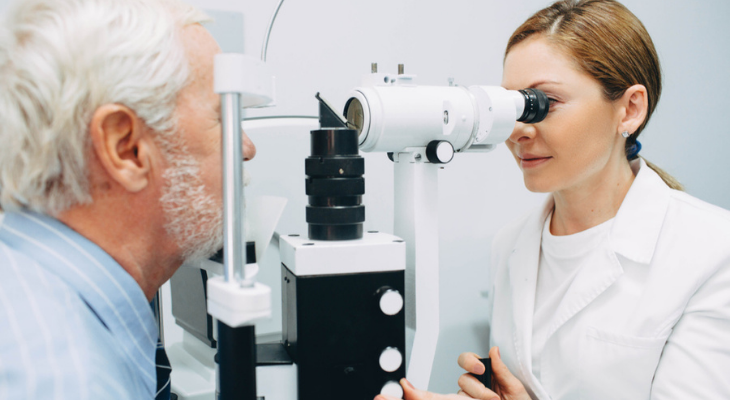
Older man at optometrist having eyes examined

Essential Questions to Ask Your Optometrist During an Eye Exam

Will you be visiting the optometrist soon? During your next appointment with the eye doctor, you may want to ask a few of these questions.

How Often Should I See You?

Your optometrist will recommend an eye exam schedule based on your age and any eye conditions or diseases you may have. Although the ideal schedule varies from person to person, the American Optometric Association (AOA) recommends scheduling comprehensive eye examinations every two years between ages 18 to 64. Once you reach age 65, it's time to visit the optometrist every year.

Children should see the eye doctor once between 6 to 12 months of age, once between 3 to 5 years, before entering first grade, and annually between ages 6 to 17, according to the AOA.

More frequent exams may be needed if your vision changes or you currently wear contact lenses and glasses. You might also need to see the eye doctor more often if you have an eye condition or disease that requires careful monitoring.

Do I Have Any Signs of Eye Disease?

Signs and symptoms of eye diseases and conditions can be subtle. Unfortunately, your eyesight can be damaged even if you don't notice a change in your vision. By the time you do begin experiencing vision problems, the damage may be irreversible. Regular eye examinations help you ensure that your condition or disease will be treated promptly should you ever develop an eye disease or condition.

During your comprehensive eye examination, your optometrist conducts several tests that help him or her spot signs of common eye conditions, including glaucoma, macular degeneration, cataracts, diabetic retinopathy, and corneal ulcers.

You'll also discuss any changes to your health that could increase your risk of eye disease. For example, diabetes and high blood pressure can damage tiny blood vessels in your retina or cause them to leak, affecting your vision. Illnesses like shingles and Lyme disease can inflame various parts of the eyes, while liver disease could damage your corneas and the clear lenses inside your eyes.

Are Eyeglasses or Contact Lenses Best for Me?

You'll need to wear eyeglasses or contact lenses if you have a refractive error that causes myopia (nearsightedness), hyperopia (farsightedness), astigmatism, or presbyopia (difficulty seeing close objects as you get older). Your optometrist will help you decide which option is the better choice for you or write you a prescription for new contact lenses or glasses if you already wear them.

Contact lenses usually provide a little clearer vision than eyeglasses. You also won't have to worry about keeping your glasses secure when you play sports and won't have to deal with foggy lenses when it's cold outside.

Eyeglasses might be the better choice if you're not comfortable touching your eyes to put in or remove contact lenses, you have dry eyes, or don't want to bother with cleaning contact lenses.

Whether you plan to only wear eyeglasses or need a backup pair of glasses for times when you aren't wearing your contact lenses, you'll need to think about the best type of eyeglasses lenses for you. Your eye doctor will explain the various benefits of single vision, bifocal, trifocal, and progressive lenses during your visit.

Your eye doctor may also make a few recommendations based on your interests or lifestyle. For example, prescription goggles can help you see clearly if you ski, swim, or play sports, while sunglasses improve eye comfort and reduce your risk of developing cataracts or macular degeneration.

How Can I Protect My Eye Health?

Your appointment may also include a few tips that will help you keep your eyes healthy, such as:

  • Eating a healthy diet
  • Wearing eye protection when you use machinery or play sports
  • Taking frequent breaks when using digital devices to prevent eyestrain and dry eye
  • Throwing away eye makeup every few months
  • Giving up smoking (Smoking is a risk factor for cataracts, macular degeneration, and other eye conditions.)
  • Washing your hands before handling your contact lenses

Is it time for your next comprehensive eye exam? Contact our office to schedule your appointment.

Sources:

American Optometric Association: Comprehensive Eye Examinations

All About Vision: Questions to Ask Your Eye Doctor, 1/21

Centers for Disease Control and Prevention: Common Eye Disorders and Diseases

Medicine Net: Are Contact Lenses Better Than Glasses?, 10/27/20

  • Common Eye Conditions
    • Age-Related
    • Cognitive and Acquired
    • Vision Impairment
    • Injury & Irritation
    • Eye Lids
    • Changes in Appearance
  • Contact Lenses
  • Eye Diseases
  • Eyeglasses
    • Eyeglass Lenses
  • Eye Symptoms
  • How the Eyes Work
    • Basic Visual Skills
  • Pediatric Vision
  • Protecting Your Eyes
  • Visual Rehabilitation
  • Vision Problems
  • What is Vision Therapy
  • Vision Therapy Programs
  • We Can Help With
    • Cataracts
    • Corneal Disorders
      • Disorders
    • Glaucoma
    • Refractive Disorders
    • Adult Strabismus
    • Retinal Disorders
  • Newsletters
    • Glasses & Frames
    • Contacts
    • Tips for Healthy Eyes
    • Conditions That Affect Vision
    • Kid's Vision
    • Amazing, Interesting Eyes
    • Medical Perspectives

Contact Us

We look forward to hearing from you.

Error!

    • Our Services

      We strive to provide complete care for our patients/ learn more about all the services we provide.
      Learn More
    • Schedule Online

      We will do our best to accommodate your busy schedule. Schedule an appointment today!
    • Promotions

      CLICK HERE TO VIEW ALL

    Hours of Operation

    Our Regular Schedule /We close daily for lunch from 12:45pm to 2pm

    Monday:

    10:00am

    6:00pm

    Tuesday:

    9:00am

    5:00pm

    Wednesday:

    10:00am

    6:00pm

    Thursday:

    9:00am

    5:00pm

    Friday:

    9:00am

    5:00pm

    Saturday:

    Closed

    Closed

    Sunday:

    Closed

    Closed

    No Testimonials settings found. Please configure it.
    • March Newsletter: Top Signs You Need to See an Optometrist

      Do you need to make an appointment with the eye doctor? ...

      Read More
    • March Newsletter: How Dehydration Affects Your Eye Health

      Do you know how dehydration affects your eyes? ...

      Read More
    • February Newsletter: How to Prepare for an Eye Exam

      Are you ready for your eye exam? ...

      Read More
    • February Newsletter: What are Eye Floaters and When Should You Seek Treatment?

      Do you know when eye floaters need treatment? ...

      Read More
    • January Newsletter: Why You Should Not Ignore Dry Eye Symptoms

      Are your eyes dry? Find out why you shouldn't overlook your symptoms. ...

      Read More
    • January Newsletter: How the 20-20-20 Rule Can Reduce Eye Strain

      Struggling with eye strain? This simple rule can help. ...

      Read More
    • December Newsletter: The Best Contact Lenses for Dry Eyes

      Need to find more comfortable contacts for your dry eyes? Take a look at these options. ...

      Read More
    • December Newsletter: Daily Habits That Affect Your Vision

      Could your daily habits harm your eyesight? ...

      Read More
    • November Newsletter: Why It's Important to Have an Extra Pair of Eyeglasses or Contact Lenses

      Do you have an extra pair of eyeglasses or contact lenses? ...

      Read More
    • November Newsletter: The Advantages of Rimless Eyeglasses

      Are rimless eyeglasses right for you? ...

      Read More
    No Health Form settings found. Please configure it.
    • Copyright © 2026 MH Sub I, LLC dba iMatrix.
    • Admin Log In
    • Site Map