Would you like to switch to the accessible version of this site?

Go to accessible site Close modal window

Don't need the accessible version of this site?

Hide the accessibility button Close modal window
Accessibility View Close toolbar
Victoria Family Eyecare

6380 N. Navarro

Victoria, TX 77904 US

(361) 570-2010

Open mobile navigation
  • Home
  • About Us
    • Meet the Doctor
  • Patient Center
    • Online Forms
  • Eyecare Services
    • Contact Lens Exams
    • Eye & Vision Exams
  • Frame Selection
  • Products
    • Contacts
    • Frames
    • Latisse
  • Payment Options
  • Contact Us
  • Resources
  • Community Content
    • Common Eye Conditions
      • Age-Related
      • Cognitive and Acquired
      • Vision Impairment
      • Injury & Irritation
      • Eye Lids
      • Changes in Appearance
    • Contact Lenses
    • Eye Diseases
    • Eyeglasses
      • Eyeglass Lenses
    • Eye Symptoms
    • How the Eyes Work
      • Basic Visual Skills
    • Pediatric Vision
    • Protecting Your Eyes
    • Visual Rehabilitation
    • Vision Problems
    • What is Vision Therapy
    • Vision Therapy Programs
    • We Can Help With
      • Cataracts
      • Corneal Disorders
        • Disorders
      • Glaucoma
      • Refractive Disorders
      • Adult Strabismus
      • Retinal Disorders
    • Newsletters
      • Glasses & Frames
      • Contacts
      • Tips for Healthy Eyes
      • Conditions That Affect Vision
      • Kid's Vision
      • Amazing, Interesting Eyes
      • Medical Perspectives
  • Promotions
  • Sunbit
  • Neurolens
  • Home >
  • Articles >
  • Newsletters >
  • What Is a Stye and How Do You Treat Them?

What Is a Stye and How Do You Treat Them?

  • Created in Newsletters

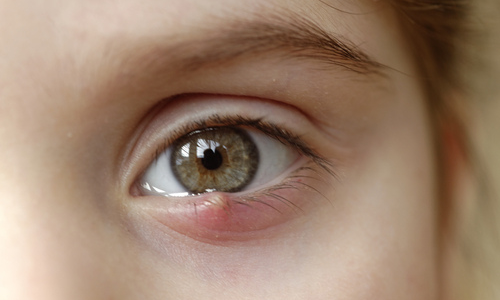
A child with a stye on the lower eyelid

Is That Bump On Your Eyelid a Stye?

Styes may not be very big, but they can certainly cause a significant amount of pain and discomfort. Fortunately, most styes go away in a few days with home treatment. If your stye lingers, your optometrist can offer treatments that will help.

What Is a Stye?

Styes are red, painful bumps that form as a result of a bacterial infection. The bumps usually appear on or inside your eyelid. If you have a stye, you may notice:

  • Eyelid Swelling
  • A Feeling That You Have Something in Your Eye
  • Crusty Discharge Along the Eyelid
  • Pus in the Center of the Stye
  • A Burning Sensation
  • Sensitivity to Light
  • Tearing

How Did I Get a Stye?

Styes appear when the oil glands underneath your eyelashes become inflamed and blocked by bacteria. The bump may appear if you absentmindedly touch your eyes or insert or remove your contact lenses without washing your hands first.

Other risk factors include forgetting to take off your makeup before you go to bed or using skincare products or makeup that has expired. If you have rosacea or blepharitis, a chronic condition that inflames the eyelids, you may also be more likely to develop styes.

What Can I Do to Treat a Stye at Home?

Warm compresses applied to the eye several times a day can help your stye drain and heal. Soak a clean washcloth in warm (not hot) water, wring it out, and hold it against your eyelid for 10 to 15 minutes. Warm tea bags can also be used as compresses if you prefer.

Don't share the washcloth with other members of your family. The bacterial infection that causes styes is contagious and can spread to other family members if they use the same washcloths or towels.

Avoid wearing makeup on and around your eyes while you wait for your stye to heal. Makeup could irritate the stye and slow healing. Throw away your eye makeup, even if it's not expired. If the makeup is contaminated by bacteria, you may develop a new stye if you continue to use the product.

Clean your eyelids several times a day with a wet washcloth, or use eyelid cleanser pads or makeup pads from the drugstore. A diluted solution of baby shampoo will keep your eyelids clean without irritating your eyes. Wash your hands before cleaning your eyes, and try to keep your hands away from your eyes during the day.

If pain is an issue, over-the-counter pain relievers can be helpful.

What Treatments Do Eye Doctors Offer?

Most styes begin to improve within about a week of home treatment. If it's been a few weeks and you still have a stye, it's time to visit your optometrist.

He or she may recommend one or more of these treatments:

  • Antibiotic Drops or Cream. Antibiotic eye drops or cream kill the bacteria that caused your stye.
  • Oral Antibiotics. If your stye doesn't get better after you use the eye drops or cream, you might need to take oral antibiotics.
  • Draining: Stubborn styes may need to be drained. This minor surgical procedure involves making a cut in the stye to allow the pus to drain. Once the pus is gone, your stye will begin to heal. You'll receive a local anesthetic before the surgery to ensure that you feel no pain.

Do you have a stye that just won't go away? We can ease your discomfort and help your stye finally heal. Contact our office to schedule a convenient appointment.

Sources:

All About Vision: Eye Styes: Causes and Symptoms, 2/20

American Academy of Ophthalmology: What Are Chalazia and Styes?: 8/29/19

Mayo Clinic: Sty

  • Common Eye Conditions
    • Age-Related
    • Cognitive and Acquired
    • Vision Impairment
    • Injury & Irritation
    • Eye Lids
    • Changes in Appearance
  • Contact Lenses
  • Eye Diseases
  • Eyeglasses
    • Eyeglass Lenses
  • Eye Symptoms
  • How the Eyes Work
    • Basic Visual Skills
  • Pediatric Vision
  • Protecting Your Eyes
  • Visual Rehabilitation
  • Vision Problems
  • What is Vision Therapy
  • Vision Therapy Programs
  • We Can Help With
    • Cataracts
    • Corneal Disorders
      • Disorders
    • Glaucoma
    • Refractive Disorders
    • Adult Strabismus
    • Retinal Disorders
  • Newsletters
    • Glasses & Frames
    • Contacts
    • Tips for Healthy Eyes
    • Conditions That Affect Vision
    • Kid's Vision
    • Amazing, Interesting Eyes
    • Medical Perspectives

Contact Us

We look forward to hearing from you.

Error!

    • Our Services

      We strive to provide complete care for our patients/ learn more about all the services we provide.
      Learn More
    • Schedule Online

      We will do our best to accommodate your busy schedule. Schedule an appointment today!
    • Promotions

      CLICK HERE TO VIEW ALL

    Hours of Operation

    Our Regular Schedule /We close daily for lunch from 12:45pm to 2pm

    Monday:

    10:00am

    6:00pm

    Tuesday:

    9:00am

    5:00pm

    Wednesday:

    10:00am

    6:00pm

    Thursday:

    9:00am

    5:00pm

    Friday:

    9:00am

    5:00pm

    Saturday:

    Closed

    Closed

    Sunday:

    Closed

    Closed

    No Testimonials settings found. Please configure it.
    • March Newsletter: Top Signs You Need to See an Optometrist

      Do you need to make an appointment with the eye doctor? ...

      Read More
    • March Newsletter: How Dehydration Affects Your Eye Health

      Do you know how dehydration affects your eyes? ...

      Read More
    • February Newsletter: How to Prepare for an Eye Exam

      Are you ready for your eye exam? ...

      Read More
    • February Newsletter: What are Eye Floaters and When Should You Seek Treatment?

      Do you know when eye floaters need treatment? ...

      Read More
    • January Newsletter: Why You Should Not Ignore Dry Eye Symptoms

      Are your eyes dry? Find out why you shouldn't overlook your symptoms. ...

      Read More
    • January Newsletter: How the 20-20-20 Rule Can Reduce Eye Strain

      Struggling with eye strain? This simple rule can help. ...

      Read More
    • December Newsletter: The Best Contact Lenses for Dry Eyes

      Need to find more comfortable contacts for your dry eyes? Take a look at these options. ...

      Read More
    • December Newsletter: Daily Habits That Affect Your Vision

      Could your daily habits harm your eyesight? ...

      Read More
    • November Newsletter: Why It's Important to Have an Extra Pair of Eyeglasses or Contact Lenses

      Do you have an extra pair of eyeglasses or contact lenses? ...

      Read More
    • November Newsletter: The Advantages of Rimless Eyeglasses

      Are rimless eyeglasses right for you? ...

      Read More
    No Health Form settings found. Please configure it.
    • Copyright © 2026 MH Sub I, LLC dba iMatrix.
    • Admin Log In
    • Site Map