Would you like to switch to the accessible version of this site?

Go to accessible site Close modal window

Don't need the accessible version of this site?

Hide the accessibility button Close modal window
Accessibility View Close toolbar
Victoria Family Eyecare

6380 N. Navarro

Victoria, TX 77904 US

(361) 570-2010

Open mobile navigation
  • Home
  • About Us
    • Meet the Doctor
  • Patient Center
    • Online Forms
  • Eyecare Services
    • Contact Lens Exams
    • Eye & Vision Exams
  • Frame Selection
  • Products
    • Contacts
    • Frames
    • Latisse
  • Payment Options
  • Contact Us
  • Resources
  • Community Content
    • Common Eye Conditions
      • Age-Related
      • Cognitive and Acquired
      • Vision Impairment
      • Injury & Irritation
      • Eye Lids
      • Changes in Appearance
    • Contact Lenses
    • Eye Diseases
    • Eyeglasses
      • Eyeglass Lenses
    • Eye Symptoms
    • How the Eyes Work
      • Basic Visual Skills
    • Pediatric Vision
    • Protecting Your Eyes
    • Visual Rehabilitation
    • Vision Problems
    • What is Vision Therapy
    • Vision Therapy Programs
    • We Can Help With
      • Cataracts
      • Corneal Disorders
        • Disorders
      • Glaucoma
      • Refractive Disorders
      • Adult Strabismus
      • Retinal Disorders
    • Newsletters
      • Glasses & Frames
      • Contacts
      • Tips for Healthy Eyes
      • Conditions That Affect Vision
      • Kid's Vision
      • Amazing, Interesting Eyes
      • Medical Perspectives
  • Promotions
  • Sunbit
  • Neurolens
  • Home >
  • Articles >
  • Newsletters >
  • 5 Healthy Habits To Pick Up for Better Eye Health

5 Healthy Habits To Pick Up for Better Eye Health

  • Created in Newsletters
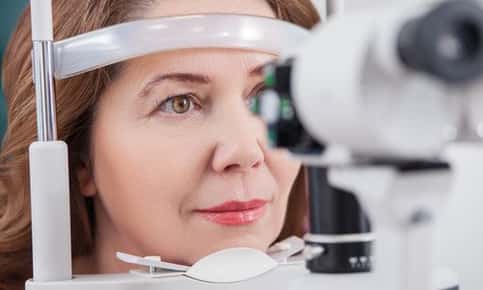
Woman receiving an eye exam

Improve Your Eye Health by Practicing These 5 Healthy Habits

Are you doing everything you can to protect your eyes? These five tips can help you improve your eye health.

1) Adopt a Hands-Off Policy

When your eyes are tired or itchy, rubbing them is a natural reaction. Unfortunately, rubbing your eyes can irritate them, injure your corneas (the clear tissue that covers your iris and pupils) or even cause a serious corneal condition called keratoconus.

Keratoconus occurs when the cornea becomes cone-shaped and can be caused by excessive rubbing. Symptoms included blurred or distorted vision, sensitivity to light, and difficulty seeing in low light.

Do you find it difficult to keep your hands away from your face? Most of us touch our eyes and faces many times throughout the day without even realizing it. During one study of face touching at The University of New South Wales, researchers discovered that participants touched their faces an average of 23 times in an hour. Fifty-six percent of those touches involved mucous membranes like the eyes.

Touching your eyes transfers bacteria from your hands to your eyes and provides a convenient way for germs to enter your body. As a result, you may become sick or develop an eye infection. Fortunately, it's easy to avoid these health issues by washing your hands frequently and avoiding touch your face and eyes.

2) Step Away from Your Screens

Digital technology makes our lives easier and much more interesting, but it's not without a few drawbacks. In addition to concerns about social isolation, spending too much time looking at laptops, desktops, tablets, e-readers, or cellphone screens can cause computer vision syndrome.

If you have this syndrome, you may experience dry eye, blurred vision, eyestrain, headaches, and neck and shoulder pain. Taking regular breaks from the screen and using the 20-20-20 rule recommended by the American Optometric Association can help. After looking at a screen for 20 minutes, look at an object 20 feet away for at least 20 seconds.

3) Improve Your Contact Lens Habits

If you've ever worn your lenses longer than recommended or reused solution, you may have paid the price. In fact, eye irritations and infections are common in people who don't follow good contact lens hygiene. Severe infections can even lead to temporary or permanent loss of vision.

Making these simple changes can help you protect your eyesight and improve the comfort of your lenses:

  • Don't wear your lenses longer than your optometrist recommends.
  • Use rewetting drops specially designed for contact lenses.
  • Wash your hands with soap and water before handling your lenses.
  • Don't use water to clean or store your lenses or reuse solutions.
  • Stay away from over-the-counter contact lenses during Halloween.
  • Give your eyes a break and wear your eyeglasses occasionally.

4) Wear Sunglasses Year-Round

Sunlight affects your eyes no matter what the season. Prolonged exposure to sunlight can increase your risk of cataracts, age-related macular degeneration, cancer in your eyes, and skin cancer on your eyelids.

Wearing sunglasses that protect your eyes from the harmful effects of ultraviolet A and ultraviolet B rays can help you avoid these conditions. Check the tags and labels when you shop for sunglasses. Avoid glasses that don't offer 100 percent protection from UV light. For maximum protection, choose wrap-around styles that limit the amount of light that can reach the tops and sides of your eyes.

5) Add More Fruits and Vegetables to Your Diet

A diet high in fatty, fried, and sugary foods isn't good for your overall health or your eyes. Foods that contain these nutrients can help you protect your eyesight:

  • Beto-Carotene and Vitamin A. Carrots, sweet potatoes, eggs, spinach, butternut squash, and milk all contain healthy amounts of beta-carotene and vitamin A. Eating these foods can keep your eyes moist and reduce your risk of night blindness and eye infections, according to the Academy of Nutrition and Dietetics.
  • Zeaxanthin and Lutein. Found in kale, honeydew melon, spinach, peas, yellow squash, oranges, and mangoes, these nutrients can protect your eyes from the effects of the sun.
  • Vitamins C and D. Vitamin-C rich foods, like oranges, peppers, tomatoes, and papaya, can lower your cataract risk, while foods high in vitamin D may reduce your risk of macular degeneration. Foods that contain vitamin D include tuna, salmon, sardines, liver, cheese, egg yolks, and fortified orange juice, milk, and cereal.

Regular eye examinations are an important part of protecting your eye health.

Sources:

PubMed: American Journal of Infection Control: Face Touching: A Frequent Habit That Has Implications for Hand Hygiene, 2/15

American Optometric Association: Computer Vision Syndrome

Academy of Nutrition and Dietetics: 5 Top Foods for Eye Health, 5/11/18

AllAboutVision: 7 Everyday Things That Can Hurt Your Eyes

  • Common Eye Conditions
    • Age-Related
    • Cognitive and Acquired
    • Vision Impairment
    • Injury & Irritation
    • Eye Lids
    • Changes in Appearance
  • Contact Lenses
  • Eye Diseases
  • Eyeglasses
    • Eyeglass Lenses
  • Eye Symptoms
  • How the Eyes Work
    • Basic Visual Skills
  • Pediatric Vision
  • Protecting Your Eyes
  • Visual Rehabilitation
  • Vision Problems
  • What is Vision Therapy
  • Vision Therapy Programs
  • We Can Help With
    • Cataracts
    • Corneal Disorders
      • Disorders
    • Glaucoma
    • Refractive Disorders
    • Adult Strabismus
    • Retinal Disorders
  • Newsletters
    • Glasses & Frames
    • Contacts
    • Tips for Healthy Eyes
    • Conditions That Affect Vision
    • Kid's Vision
    • Amazing, Interesting Eyes
    • Medical Perspectives

Contact Us

We look forward to hearing from you.

Error!

    • Our Services

      We strive to provide complete care for our patients/ learn more about all the services we provide.
      Learn More
    • Schedule Online

      We will do our best to accommodate your busy schedule. Schedule an appointment today!
    • Promotions

      CLICK HERE TO VIEW ALL

    Hours of Operation

    Our Regular Schedule /We close daily for lunch from 12:45pm to 2pm

    Monday:

    10:00am

    6:00pm

    Tuesday:

    9:00am

    5:00pm

    Wednesday:

    10:00am

    6:00pm

    Thursday:

    9:00am

    5:00pm

    Friday:

    9:00am

    5:00pm

    Saturday:

    Closed

    Closed

    Sunday:

    Closed

    Closed

    No Testimonials settings found. Please configure it.
    • March Newsletter: Top Signs You Need to See an Optometrist

      Do you need to make an appointment with the eye doctor? ...

      Read More
    • March Newsletter: How Dehydration Affects Your Eye Health

      Do you know how dehydration affects your eyes? ...

      Read More
    • February Newsletter: How to Prepare for an Eye Exam

      Are you ready for your eye exam? ...

      Read More
    • February Newsletter: What are Eye Floaters and When Should You Seek Treatment?

      Do you know when eye floaters need treatment? ...

      Read More
    • January Newsletter: Why You Should Not Ignore Dry Eye Symptoms

      Are your eyes dry? Find out why you shouldn't overlook your symptoms. ...

      Read More
    • January Newsletter: How the 20-20-20 Rule Can Reduce Eye Strain

      Struggling with eye strain? This simple rule can help. ...

      Read More
    • December Newsletter: The Best Contact Lenses for Dry Eyes

      Need to find more comfortable contacts for your dry eyes? Take a look at these options. ...

      Read More
    • December Newsletter: Daily Habits That Affect Your Vision

      Could your daily habits harm your eyesight? ...

      Read More
    • November Newsletter: Why It's Important to Have an Extra Pair of Eyeglasses or Contact Lenses

      Do you have an extra pair of eyeglasses or contact lenses? ...

      Read More
    • November Newsletter: The Advantages of Rimless Eyeglasses

      Are rimless eyeglasses right for you? ...

      Read More
    No Health Form settings found. Please configure it.
    • Copyright © 2026 MH Sub I, LLC dba iMatrix.
    • Admin Log In
    • Site Map