Would you like to switch to the accessible version of this site?

Go to accessible site Close modal window

Don't need the accessible version of this site?

Hide the accessibility button Close modal window
Accessibility View Close toolbar
Victoria Family Eyecare

6380 N. Navarro

Victoria, TX 77904 US

(361) 570-2010

Open mobile navigation
  • Home
  • About Us
    • Meet the Doctor
  • Patient Center
    • Online Forms
  • Eyecare Services
    • Contact Lens Exams
    • Eye & Vision Exams
  • Frame Selection
  • Products
    • Contacts
    • Frames
    • Latisse
  • Payment Options
  • Contact Us
  • Resources
  • Community Content
    • Common Eye Conditions
      • Age-Related
      • Cognitive and Acquired
      • Vision Impairment
      • Injury & Irritation
      • Eye Lids
      • Changes in Appearance
    • Contact Lenses
    • Eye Diseases
    • Eyeglasses
      • Eyeglass Lenses
    • Eye Symptoms
    • How the Eyes Work
      • Basic Visual Skills
    • Pediatric Vision
    • Protecting Your Eyes
    • Visual Rehabilitation
    • Vision Problems
    • What is Vision Therapy
    • Vision Therapy Programs
    • We Can Help With
      • Cataracts
      • Corneal Disorders
        • Disorders
      • Glaucoma
      • Refractive Disorders
      • Adult Strabismus
      • Retinal Disorders
    • Newsletters
      • Glasses & Frames
      • Contacts
      • Tips for Healthy Eyes
      • Conditions That Affect Vision
      • Kid's Vision
      • Amazing, Interesting Eyes
      • Medical Perspectives
  • Promotions
  • Sunbit
  • Neurolens
  • Home >
  • Articles >
  • Newsletters >
  • How To Properly Care For Your Contact Lenses

How To Properly Care For Your Contact Lenses

  • Created in Newsletters
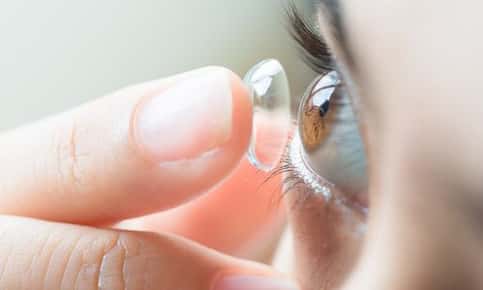
Woman applying contact lens

The Dos and Don'ts of Contact Lens Wear

Do you know how to avoid common contact lens problems? Understanding how to properly use and care for your lenses will help you protect your eyes and ensure that your lenses remain clear and comfortable.

DO Wash Your Hands Before Handling Your Contacts

"Wash your hands" sounds like very obvious advice, yet many people fail to wash their hands thoroughly. In fact, Michigan State University researchers discovered that only five percent of people wash their hands long enough to kill germs after using the restroom. Many of the people they observed only spent an average of 6 seconds washing their hands, rather than the recommended 15-20 seconds.

Failing to wash your hands vigorously can increase your risk of developing inflammation, corneal infections, pink eye or corneal ulcers. When you wash your hands, avoid soaps that may leave an oily residue on your fingers. The residue can transfer to your lenses and cloud your vision.

DON'T Change Your Routine When Inserting and Taking Out Your Lenses

Have you ever accidentally inserted both of your lenses in the same eye or discovered that your vision was blurry because you switched the right and left lenses? These errors are much less likely to happen if you don't deviate from your usual routine. Insert the same lens first every time to prevent confusion.

DO Follow Safe Handling and Cleaning Recommendations

Using anything other than the solutions recommended by your eye doctor can increase your risk of infection. Don't rinse your lenses with tap water or clean them with saliva.

Do you dump out the old solution in your lens case and refill the wells without cleaning them? Although the case might look perfectly clean, fungi or bacteria may lurk in the wells.

After you empty the case, rub the wells for a few seconds with clean fingers to remove biofilm. Biofilm is a slimy film that may contain bacteria, fungi, algae, and other microorganisms. After rubbing the wells, rinse the cases with fresh solution and let them air dry.

The American Optometric Association recommends replacing your case every three months. Replace it sooner if it's noticeably dirty or damaged.

DON'T Apply Makeup Before Inserting Your Lenses

Creams and oils may transfer to your contact lenses from your fingertips if you apply makeup before you insert your contacts. At the end of the day, carefully remove your lenses first, then remove makeup.

Eye makeup can also become contaminated with bacteria. Replace it every three months to prevent infections.

Does eye makeup seem to migrate into your eye and cause irritation? You can reduce the risk of irritation by:

  • Choosing Cream Eye Shadow Rather Than Powder
  • Wearing Hypoallergenic Makeup
  • Applying Eyeliner to the Base of Your Lashes Only

DO Follow the Recommended Wear Time

Wearing contact lenses longer than suggested by your eye doctor can irritate your eyes and increase the likelihood that you'll develop a corneal ulcer or abnormal blood vessel growth in your corneas.

It's also important to replace contacts as recommended by the manufacturer. If you continue to use lenses for weeks or months after you should have tossed them, they may warp, change shape or dry out.

Your eye doctor will explain the optimal wearing schedule for your daily wear, disposable or extended wear lenses. No matter what type of lenses you wear, you'll need a backup pair of eyeglasses for days when you don't want to wear your lenses or your eyes need a break.

DON'T Expose Your Lenses to Water

Take your contact lenses out before you take a shower or swim. If you keep the lenses in, you may develop microbial keratitis, a serious eye infection that affects the cornea and can lead to blindness in severe cases.

DO Visit Your Eye Doctor Regularly

Yearly checkups are a must if you wear contact lenses. During your appointments, your optometrist will examine your eyes and determine if your prescription has changed. The visit is the perfect time to discuss any issues you may be having with your eyes or contact lenses.

Let your eye doctor know if your vision suddenly seems blurry when wearing your contact lenses or glasses, or if you notice any signs of infection or injury, which may include:

  • Eye Pain
  • Redness
  • Difficulty Opening or Keeping Your Eye Open
  • Constant Tearing
  • Foreign Body Sensation in Your Eyes
  • Discharge
  • Sensitivity to Light

Is it time for your next checkup? Call our office to schedule a convenient appointment.

Sources:

Michigan State University: EWW! Only Five Percent Wash Hands Correctly, 6/10/13

American Optometric Association: Contact Lens Case Care

All About Vision: Tips for Contact Lens Wearers

American Academy of Ophthalmology: How to Take Care of Contact Lenses, 5/23/19

CDC: Safety Tips Every Contact Lens Wearer Should Know

  • Common Eye Conditions
    • Age-Related
    • Cognitive and Acquired
    • Vision Impairment
    • Injury & Irritation
    • Eye Lids
    • Changes in Appearance
  • Contact Lenses
  • Eye Diseases
  • Eyeglasses
    • Eyeglass Lenses
  • Eye Symptoms
  • How the Eyes Work
    • Basic Visual Skills
  • Pediatric Vision
  • Protecting Your Eyes
  • Visual Rehabilitation
  • Vision Problems
  • What is Vision Therapy
  • Vision Therapy Programs
  • We Can Help With
    • Cataracts
    • Corneal Disorders
      • Disorders
    • Glaucoma
    • Refractive Disorders
    • Adult Strabismus
    • Retinal Disorders
  • Newsletters
    • Glasses & Frames
    • Contacts
    • Tips for Healthy Eyes
    • Conditions That Affect Vision
    • Kid's Vision
    • Amazing, Interesting Eyes
    • Medical Perspectives

Contact Us

We look forward to hearing from you.

Error!

    • Our Services

      We strive to provide complete care for our patients/ learn more about all the services we provide.
      Learn More
    • Schedule Online

      We will do our best to accommodate your busy schedule. Schedule an appointment today!
    • Promotions

      CLICK HERE TO VIEW ALL

    Hours of Operation

    Our Regular Schedule /We close daily for lunch from 12:45pm to 2pm

    Monday:

    10:00am

    6:00pm

    Tuesday:

    9:00am

    5:00pm

    Wednesday:

    10:00am

    6:00pm

    Thursday:

    9:00am

    5:00pm

    Friday:

    9:00am

    5:00pm

    Saturday:

    Closed

    Closed

    Sunday:

    Closed

    Closed

    No Testimonials settings found. Please configure it.
    • March Newsletter: Top Signs You Need to See an Optometrist

      Do you need to make an appointment with the eye doctor? ...

      Read More
    • March Newsletter: How Dehydration Affects Your Eye Health

      Do you know how dehydration affects your eyes? ...

      Read More
    • February Newsletter: How to Prepare for an Eye Exam

      Are you ready for your eye exam? ...

      Read More
    • February Newsletter: What are Eye Floaters and When Should You Seek Treatment?

      Do you know when eye floaters need treatment? ...

      Read More
    • January Newsletter: Why You Should Not Ignore Dry Eye Symptoms

      Are your eyes dry? Find out why you shouldn't overlook your symptoms. ...

      Read More
    • January Newsletter: How the 20-20-20 Rule Can Reduce Eye Strain

      Struggling with eye strain? This simple rule can help. ...

      Read More
    • December Newsletter: The Best Contact Lenses for Dry Eyes

      Need to find more comfortable contacts for your dry eyes? Take a look at these options. ...

      Read More
    • December Newsletter: Daily Habits That Affect Your Vision

      Could your daily habits harm your eyesight? ...

      Read More
    • November Newsletter: Why It's Important to Have an Extra Pair of Eyeglasses or Contact Lenses

      Do you have an extra pair of eyeglasses or contact lenses? ...

      Read More
    • November Newsletter: The Advantages of Rimless Eyeglasses

      Are rimless eyeglasses right for you? ...

      Read More
    No Health Form settings found. Please configure it.
    • Copyright © 2026 MH Sub I, LLC dba iMatrix.
    • Admin Log In
    • Site Map