Would you like to switch to the accessible version of this site?

Go to accessible site Close modal window

Don't need the accessible version of this site?

Hide the accessibility button Close modal window
Accessibility View Close toolbar
Victoria Family Eyecare

6380 N. Navarro

Victoria, TX 77904 US

(361) 570-2010

Open mobile navigation
  • Home
  • About Us
    • Meet the Doctor
  • Patient Center
    • Online Forms
  • Eyecare Services
    • Contact Lens Exams
    • Eye & Vision Exams
  • Frame Selection
  • Products
    • Contacts
    • Frames
    • Latisse
  • Payment Options
  • Contact Us
  • Resources
  • Community Content
    • Common Eye Conditions
      • Age-Related
      • Cognitive and Acquired
      • Vision Impairment
      • Injury & Irritation
      • Eye Lids
      • Changes in Appearance
    • Contact Lenses
    • Eye Diseases
    • Eyeglasses
      • Eyeglass Lenses
    • Eye Symptoms
    • How the Eyes Work
      • Basic Visual Skills
    • Pediatric Vision
    • Protecting Your Eyes
    • Visual Rehabilitation
    • Vision Problems
    • What is Vision Therapy
    • Vision Therapy Programs
    • We Can Help With
      • Cataracts
      • Corneal Disorders
        • Disorders
      • Glaucoma
      • Refractive Disorders
      • Adult Strabismus
      • Retinal Disorders
    • Newsletters
      • Glasses & Frames
      • Contacts
      • Tips for Healthy Eyes
      • Conditions That Affect Vision
      • Kid's Vision
      • Amazing, Interesting Eyes
      • Medical Perspectives
  • Promotions
  • Sunbit
  • Neurolens
  • Home >
  • Articles >
  • Newsletters >
  • What Are Eye Allergies? Symptoms and Treatments

What Are Eye Allergies? Symptoms and Treatments

  • Created in Newsletters
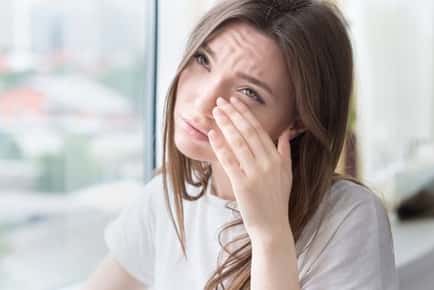
Woman with irritated eyes

Red, Itchy Eyes? You Might Have Eye Allergies

Sneezing, congestion, post-nasal drip, and hives aren't the only symptoms of allergies. Your allergies can also affect your eyes, causing a range of uncomfortable symptoms.

Eye Allergy Symptoms

Eye allergy symptoms can vary from person to person but often include:

  • A Change in Appearance. Have you noticed that your eyes are red and irritated or that your eyelids look a little puffy or swollen? Eye allergies often cause very noticeable symptoms and may even be responsible for the dark circles under your eyes. Commonly called "allergic shiners," the circles form when blood backs up in the small blood vessels under your eyes due to nasal congestion.
  • Sensitivity. Your eyes may become more sensitive to both sunlight and natural light if you have eye allergies. In fact, you may even be tempted to wear sunglasses indoors.
  • Discomfort. Burning, itching, pain, and tearing can be quite uncomfortable and make reading, driving or watching TV a little challenging.

The trouble starts when your immune system overreacts to the presence of allergens, harmless substances that your body mistakenly decides are dangerous to your health. Once an allergen enters your body, your immune system produces histamines, natural chemicals that help eliminate allergens. As the histamines flood your body, they trigger sneezing, tearing, and other symptoms to rid your body of the allergens.

Common Eye Allergy Triggers

The same allergens that cause nasal allergies can also cause eye allergies. Your symptoms may happen due to exposure to:

  • Pollen
  • Pet Dander
  • Mold
  • Dust
  • Perfume
  • Cosmetics
  • Smoke
  • Foods
  • Insect Bites or Stings

Eye allergies can occur in conjunction with nasal allergies or may happen without any nasal symptoms. You may also develop allergy symptoms if you become allergic to eye drops or other eye preparations, or your eyes become irritated by your contact lenses or deposits that form on the lenses. Wearing contact lenses can also worsen your allergy symptoms, as the lenses may trap allergens.

Ways to Reduce Eye Allergy Symptoms

Minimizing your exposure to allergens offers a simple way to decrease allergy symptoms, no matter what the cause. Check the local allergy forecast every day if you suffer from eye allergies. If you notice high levels of the allergens that trigger your symptoms, minimize the amount of time you spend outdoors. When you do venture outside, wear glasses rather than contact lenses. Glasses provide a barrier that helps prevent allergens from reaching your eyes.

Other ways to minimize exposure to allergens include:

  • Keeping the Windows Closed. Prevent airborne allergens from settling on to your furniture and floors by shutting the windows and using your air-conditioner instead.
  • More Frequent Cleaning. Vacuuming and mopping often reduce the number of allergens that enter your home on your clothing or your pet's fur. In addition to cleaning more often, encase your mattress and pillows in special protectors to reduce your exposure to dust mites and wash your bedding often.
  • Replacing Carpeting. Vacuuming will help reduce allergens but it won't remove them entirely. If you suffer from severe allergies, you may want to consider removing rugs and carpeting and replacing it with hardwood or tile floors instead.
  • Limiting Nighttime Visits from Pets. There's nothing cozier than snuggling up to your cat or dog at night - until you begin to experience eye allergies. Keeping your pet out of your bedroom may help ease your symptoms if you're allergic to pet dander.
  • Using Over-the-Counter Eye Drops or Artificial Tears. Eye drops and artificial tears offer short-term relief by washing away allergens from your eyes.
  • Visiting Your Eye Doctor. If making a few changes to your home and using eye drops don't improve your eye allergies, make an appointment with your eye doctor. Depending on the cause of your eye allergies, your doctor can recommend a variety of treatment options, including oral antihistamines or antihistamine drops, allergy shots, a change in the type of contact lenses you wear, or prescription eye drops to prevent the release of histamine or reduce redness, itching or swelling.

Relieve your eye allergy symptoms with a visit to the eye doctor. Contact us to schedule your appointment.

Sources:

American Academy of Ophthalmology: What Are Eye Allergies?, 9/10/19

American College of Allergy, Asthma & Immunology Eye Allergy

All About Vision: Eye Allergies: Get Relief from Itchy, Watery Eyes

  • Common Eye Conditions
    • Age-Related
    • Cognitive and Acquired
    • Vision Impairment
    • Injury & Irritation
    • Eye Lids
    • Changes in Appearance
  • Contact Lenses
  • Eye Diseases
  • Eyeglasses
    • Eyeglass Lenses
  • Eye Symptoms
  • How the Eyes Work
    • Basic Visual Skills
  • Pediatric Vision
  • Protecting Your Eyes
  • Visual Rehabilitation
  • Vision Problems
  • What is Vision Therapy
  • Vision Therapy Programs
  • We Can Help With
    • Cataracts
    • Corneal Disorders
      • Disorders
    • Glaucoma
    • Refractive Disorders
    • Adult Strabismus
    • Retinal Disorders
  • Newsletters
    • Glasses & Frames
    • Contacts
    • Tips for Healthy Eyes
    • Conditions That Affect Vision
    • Kid's Vision
    • Amazing, Interesting Eyes
    • Medical Perspectives

Contact Us

We look forward to hearing from you.

Error!

    • Our Services

      We strive to provide complete care for our patients/ learn more about all the services we provide.
      Learn More
    • Schedule Online

      We will do our best to accommodate your busy schedule. Schedule an appointment today!
    • Promotions

      CLICK HERE TO VIEW ALL

    Hours of Operation

    Our Regular Schedule /We close daily for lunch from 12:45pm to 2pm

    Monday:

    10:00am

    6:00pm

    Tuesday:

    9:00am

    5:00pm

    Wednesday:

    10:00am

    6:00pm

    Thursday:

    9:00am

    5:00pm

    Friday:

    9:00am

    5:00pm

    Saturday:

    Closed

    Closed

    Sunday:

    Closed

    Closed

    No Testimonials settings found. Please configure it.
    • March Newsletter: Top Signs You Need to See an Optometrist

      Do you need to make an appointment with the eye doctor? ...

      Read More
    • March Newsletter: How Dehydration Affects Your Eye Health

      Do you know how dehydration affects your eyes? ...

      Read More
    • February Newsletter: How to Prepare for an Eye Exam

      Are you ready for your eye exam? ...

      Read More
    • February Newsletter: What are Eye Floaters and When Should You Seek Treatment?

      Do you know when eye floaters need treatment? ...

      Read More
    • January Newsletter: Why You Should Not Ignore Dry Eye Symptoms

      Are your eyes dry? Find out why you shouldn't overlook your symptoms. ...

      Read More
    • January Newsletter: How the 20-20-20 Rule Can Reduce Eye Strain

      Struggling with eye strain? This simple rule can help. ...

      Read More
    • December Newsletter: The Best Contact Lenses for Dry Eyes

      Need to find more comfortable contacts for your dry eyes? Take a look at these options. ...

      Read More
    • December Newsletter: Daily Habits That Affect Your Vision

      Could your daily habits harm your eyesight? ...

      Read More
    • November Newsletter: Why It's Important to Have an Extra Pair of Eyeglasses or Contact Lenses

      Do you have an extra pair of eyeglasses or contact lenses? ...

      Read More
    • November Newsletter: The Advantages of Rimless Eyeglasses

      Are rimless eyeglasses right for you? ...

      Read More
    No Health Form settings found. Please configure it.
    • Copyright © 2026 MH Sub I, LLC dba iMatrix.
    • Admin Log In
    • Site Map