Would you like to switch to the accessible version of this site?

Go to accessible site Close modal window

Don't need the accessible version of this site?

Hide the accessibility button Close modal window
Accessibility View Close toolbar
Victoria Family Eyecare

6380 N. Navarro

Victoria, TX 77904 US

(361) 570-2010

Open mobile navigation
  • Home
  • About Us
    • Meet the Doctor
  • Patient Center
    • Online Forms
  • Eyecare Services
    • Contact Lens Exams
    • Eye & Vision Exams
  • Frame Selection
  • Products
    • Contacts
    • Frames
    • Latisse
  • Payment Options
  • Contact Us
  • Resources
  • Community Content
    • Common Eye Conditions
      • Age-Related
      • Cognitive and Acquired
      • Vision Impairment
      • Injury & Irritation
      • Eye Lids
      • Changes in Appearance
    • Contact Lenses
    • Eye Diseases
    • Eyeglasses
      • Eyeglass Lenses
    • Eye Symptoms
    • How the Eyes Work
      • Basic Visual Skills
    • Pediatric Vision
    • Protecting Your Eyes
    • Visual Rehabilitation
    • Vision Problems
    • What is Vision Therapy
    • Vision Therapy Programs
    • We Can Help With
      • Cataracts
      • Corneal Disorders
        • Disorders
      • Glaucoma
      • Refractive Disorders
      • Adult Strabismus
      • Retinal Disorders
    • Newsletters
      • Glasses & Frames
      • Contacts
      • Tips for Healthy Eyes
      • Conditions That Affect Vision
      • Kid's Vision
      • Amazing, Interesting Eyes
      • Medical Perspectives
  • Promotions
  • Sunbit
  • Neurolens
  • Home >
  • Articles >
  • Newsletters >
  • Medical Perspectives >
  • What to Expect During a Routine Eye Exam

What to Expect During a Routine Eye Exam

  • Created in Newsletters, Medical Perspectives
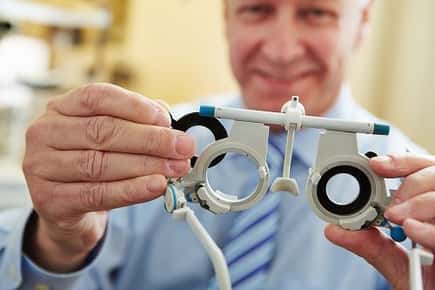
Image of doctor with eye equipment.

Routine eye exams are straightforward, quick and painless. Most doctors recommend screening your vision on an annual basis to ensure your vision prescription is up to date (or to determine you need one) and to make sure your eyes are healthy. Regular eye exams are the first line of defense against eye disorders, such as chronic dry eye, inflammation, glaucoma, age-related issues and cataracts.

During a regular visit, you can expect your optometrist to perform the following tests to determine your eye health:

Pre-Exam Tests. A technician will often perform a few basic tests before you see the doctor, including a color sensitivity test, peripheral vision test, a glaucoma (or “air puff” test) and a cover test to determine how well your eyes work together. He or she may also use an autorefractor, which automatically measures your vision prescription, to gain a ballpark understanding of your vision needs.

Pupillary Reactions. Using a light, the doctor checks your pupils’ responsiveness. Your pupils’ response to light is a natural function of the eye and is critical to your vision. While using the light, the doctor will also look at the surface of your eye for signs of dry eye, corneal scratches and bacterial debris.

Slit Lamp Test. During a slit light test (also called a biomicroscope), the doctor will shine a vertical bar of light into your eye to magnify your eye’s surface and inspect for abnormalities on the cornea, iris and lens. This test usually takes a few minutes, and you may be asked to blink or stare at your doctor’s ear so he can look closely at your eye’s surface.

Visual Acuity and Refraction. The most well-known part of the eye exam is the visual acuity test. Your doctor will ask you to read an eye chart filled with numbers and letters with one or both eyes. Your ability to clearly read and identify the numbers and letters helps the doctor further determine your vision prescription needs. To hone in on your exact prescription, your doctor will place a large lens refractor in front of you and ask you a series of questions about which lenses make your vision better or worse.

Pupil Dilation. At the end of your exam, the doctor may ask you if you would like to have your eyes dilated. By dilating your eyes, the doctor can examine your retina and optic nerve more fully. To perform this part of the exam, the doctor will put a few drops in your eyes that cause your pupils to enlarge, letting more light in and giving him or her a better view into your eye. Your eyes may be sensitive to light for up to an hour after the test, so it’s best to avoid being outside in direct sunlight afterward.

  • Common Eye Conditions
    • Age-Related
    • Cognitive and Acquired
    • Vision Impairment
    • Injury & Irritation
    • Eye Lids
    • Changes in Appearance
  • Contact Lenses
  • Eye Diseases
  • Eyeglasses
    • Eyeglass Lenses
  • Eye Symptoms
  • How the Eyes Work
    • Basic Visual Skills
  • Pediatric Vision
  • Protecting Your Eyes
  • Visual Rehabilitation
  • Vision Problems
  • What is Vision Therapy
  • Vision Therapy Programs
  • We Can Help With
    • Cataracts
    • Corneal Disorders
      • Disorders
    • Glaucoma
    • Refractive Disorders
    • Adult Strabismus
    • Retinal Disorders
  • Newsletters
    • Glasses & Frames
    • Contacts
    • Tips for Healthy Eyes
    • Conditions That Affect Vision
    • Kid's Vision
    • Amazing, Interesting Eyes
    • Medical Perspectives

Contact Us

We look forward to hearing from you.

Error!

    • Our Services

      We strive to provide complete care for our patients/ learn more about all the services we provide.
      Learn More
    • Schedule Online

      We will do our best to accommodate your busy schedule. Schedule an appointment today!
    • Promotions

      CLICK HERE TO VIEW ALL

    Hours of Operation

    Our Regular Schedule /We close daily for lunch from 12:45pm to 2pm

    Monday:

    10:00am

    6:00pm

    Tuesday:

    9:00am

    5:00pm

    Wednesday:

    10:00am

    6:00pm

    Thursday:

    9:00am

    5:00pm

    Friday:

    9:00am

    5:00pm

    Saturday:

    Closed

    Closed

    Sunday:

    Closed

    Closed

    No Testimonials settings found. Please configure it.
    • March Newsletter: Top Signs You Need to See an Optometrist

      Do you need to make an appointment with the eye doctor? ...

      Read More
    • March Newsletter: How Dehydration Affects Your Eye Health

      Do you know how dehydration affects your eyes? ...

      Read More
    • February Newsletter: How to Prepare for an Eye Exam

      Are you ready for your eye exam? ...

      Read More
    • February Newsletter: What are Eye Floaters and When Should You Seek Treatment?

      Do you know when eye floaters need treatment? ...

      Read More
    • January Newsletter: Why You Should Not Ignore Dry Eye Symptoms

      Are your eyes dry? Find out why you shouldn't overlook your symptoms. ...

      Read More
    • January Newsletter: How the 20-20-20 Rule Can Reduce Eye Strain

      Struggling with eye strain? This simple rule can help. ...

      Read More
    • December Newsletter: The Best Contact Lenses for Dry Eyes

      Need to find more comfortable contacts for your dry eyes? Take a look at these options. ...

      Read More
    • December Newsletter: Daily Habits That Affect Your Vision

      Could your daily habits harm your eyesight? ...

      Read More
    • November Newsletter: Why It's Important to Have an Extra Pair of Eyeglasses or Contact Lenses

      Do you have an extra pair of eyeglasses or contact lenses? ...

      Read More
    • November Newsletter: The Advantages of Rimless Eyeglasses

      Are rimless eyeglasses right for you? ...

      Read More
    No Health Form settings found. Please configure it.
    • Copyright © 2026 MH Sub I, LLC dba iMatrix.
    • Admin Log In
    • Site Map