Would you like to switch to the accessible version of this site?

Go to accessible site Close modal window

Don't need the accessible version of this site?

Hide the accessibility button Close modal window
Accessibility View Close toolbar
Victoria Family Eyecare

6380 N. Navarro

Victoria, TX 77904 US

(361) 570-2010

Open mobile navigation
  • Home
  • About Us
    • Meet the Doctor
  • Patient Center
    • Online Forms
  • Eyecare Services
    • Contact Lens Exams
    • Eye & Vision Exams
  • Frame Selection
  • Products
    • Contacts
    • Frames
    • Latisse
  • Payment Options
  • Contact Us
  • Resources
  • Community Content
    • Common Eye Conditions
      • Age-Related
      • Cognitive and Acquired
      • Vision Impairment
      • Injury & Irritation
      • Eye Lids
      • Changes in Appearance
    • Contact Lenses
    • Eye Diseases
    • Eyeglasses
      • Eyeglass Lenses
    • Eye Symptoms
    • How the Eyes Work
      • Basic Visual Skills
    • Pediatric Vision
    • Protecting Your Eyes
    • Visual Rehabilitation
    • Vision Problems
    • What is Vision Therapy
    • Vision Therapy Programs
    • We Can Help With
      • Cataracts
      • Corneal Disorders
        • Disorders
      • Glaucoma
      • Refractive Disorders
      • Adult Strabismus
      • Retinal Disorders
    • Newsletters
      • Glasses & Frames
      • Contacts
      • Tips for Healthy Eyes
      • Conditions That Affect Vision
      • Kid's Vision
      • Amazing, Interesting Eyes
      • Medical Perspectives
  • Promotions
  • Sunbit
  • Neurolens
  • Home >
  • Articles >
  • Newsletters >
  • Glasses & Frames >
  • Selecting the Right Glasses

Selecting the Right Glasses

  • Created in Newsletters, Glasses & Frames
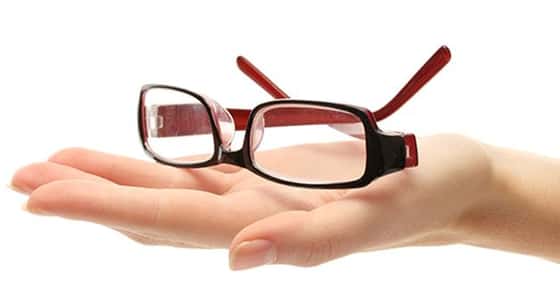
Image of a hand holding glasses.

When they’re great, the correct pair of glasses perfectly complements your face and seamlessly facilitates your experience of the visual world. When they are not the right prescription or hastily chosen, glasses can be uncomfortable, cause headaches, detract from your appearance, and become a nuisance that distracts from everyday life. A few easy tips can help you choose glasses that look and feel so great that you forget they are there.

Types of Lenses

Glasses come with a variety of lens types, and manufacturers continue to make advances in lens technology. Today, most lenses are actually made of plastic, not glass. Plastic tends to be lighter and less damage-prone than more traditional glass lenses.

One of the most popular types of lenses are made of polycarbonate. These lenses are perfect for active individuals or children, because they are impact-resistant and fairly durable. Polycarbonate lenses also block ultraviolet rays, protecting your eyes from sun damage. Those who want further sun protection may choose photochromic lenses, which change from clear to a darker tinted shade when exposed to UV light.

If you have a very strong prescription, you may have resigned yourself to thick lenses. But newer high index plastic lenses provide a lighter, thinner lens for strong prescriptions. Aspheric lenses also tend to be thinner and flatter because of their unique surface curvature, which also corrects for minor visual distortions.

Bifocal or Trifocal Lenses

In the past, bifocal lenses were easy to spot by the clear line delineating the two sections of the lens. Today, multifocal lenses -- also known as progressive lenses -- look indistinguishable from regular lenses. Bifocals are commonly needed by individuals over 40 who have difficulty focusing on near objects, such as reading a book. Trifocal lenses add an additional section to enhance your ability to see objects about an arm’s length away. These objects fall in an intermediate zone that may be challenging to see with bifocal lenses.

Lens Coatings

After discussing the lens material and your potential need for multifocal lenses, your optometrist can advise you on the need for lens coatings. Many people opt for scratch-resistant coating, which adds a further layer of protection on the lens. Ultraviolet coating may also be a good choice to prevent sun damage. Also remember to ask your eye doctor about tinted lenses, which can improve ability to detect contrast or certain colors.

With careful consideration, you can find the perfect pair of glasses to frame your face and improve your vision. Review your options with your optometrist to get a professional opinion about what features are best for you. If you make the right choice, your glasses will become an unnoticeable addition to your everyday look.

Sources:

Vision Service Plan (2012). Types of lenses.
All About Vision (2012). Eyeglass basics.

  • Common Eye Conditions
    • Age-Related
    • Cognitive and Acquired
    • Vision Impairment
    • Injury & Irritation
    • Eye Lids
    • Changes in Appearance
  • Contact Lenses
  • Eye Diseases
  • Eyeglasses
    • Eyeglass Lenses
  • Eye Symptoms
  • How the Eyes Work
    • Basic Visual Skills
  • Pediatric Vision
  • Protecting Your Eyes
  • Visual Rehabilitation
  • Vision Problems
  • What is Vision Therapy
  • Vision Therapy Programs
  • We Can Help With
    • Cataracts
    • Corneal Disorders
      • Disorders
    • Glaucoma
    • Refractive Disorders
    • Adult Strabismus
    • Retinal Disorders
  • Newsletters
    • Glasses & Frames
    • Contacts
    • Tips for Healthy Eyes
    • Conditions That Affect Vision
    • Kid's Vision
    • Amazing, Interesting Eyes
    • Medical Perspectives

Contact Us

We look forward to hearing from you.

Error!

    • Our Services

      We strive to provide complete care for our patients/ learn more about all the services we provide.
      Learn More
    • Schedule Online

      We will do our best to accommodate your busy schedule. Schedule an appointment today!
    • Promotions

      CLICK HERE TO VIEW ALL

    Hours of Operation

    Our Regular Schedule /We close daily for lunch from 12:45pm to 2pm

    Monday:

    10:00am

    6:00pm

    Tuesday:

    9:00am

    5:00pm

    Wednesday:

    10:00am

    6:00pm

    Thursday:

    9:00am

    5:00pm

    Friday:

    9:00am

    5:00pm

    Saturday:

    Closed

    Closed

    Sunday:

    Closed

    Closed

    No Testimonials settings found. Please configure it.
    • March Newsletter: Top Signs You Need to See an Optometrist

      Do you need to make an appointment with the eye doctor? ...

      Read More
    • March Newsletter: How Dehydration Affects Your Eye Health

      Do you know how dehydration affects your eyes? ...

      Read More
    • February Newsletter: How to Prepare for an Eye Exam

      Are you ready for your eye exam? ...

      Read More
    • February Newsletter: What are Eye Floaters and When Should You Seek Treatment?

      Do you know when eye floaters need treatment? ...

      Read More
    • January Newsletter: Why You Should Not Ignore Dry Eye Symptoms

      Are your eyes dry? Find out why you shouldn't overlook your symptoms. ...

      Read More
    • January Newsletter: How the 20-20-20 Rule Can Reduce Eye Strain

      Struggling with eye strain? This simple rule can help. ...

      Read More
    • December Newsletter: The Best Contact Lenses for Dry Eyes

      Need to find more comfortable contacts for your dry eyes? Take a look at these options. ...

      Read More
    • December Newsletter: Daily Habits That Affect Your Vision

      Could your daily habits harm your eyesight? ...

      Read More
    • November Newsletter: Why It's Important to Have an Extra Pair of Eyeglasses or Contact Lenses

      Do you have an extra pair of eyeglasses or contact lenses? ...

      Read More
    • November Newsletter: The Advantages of Rimless Eyeglasses

      Are rimless eyeglasses right for you? ...

      Read More
    No Health Form settings found. Please configure it.
    • Copyright © 2026 MH Sub I, LLC dba iMatrix.
    • Admin Log In
    • Site Map