Would you like to switch to the accessible version of this site?

Go to accessible site Close modal window

Don't need the accessible version of this site?

Hide the accessibility button Close modal window
Accessibility View Close toolbar
Victoria Family Eyecare

6380 N. Navarro

Victoria, TX 77904 US

(361) 570-2010

Open mobile navigation
  • Home
  • About Us
    • Meet the Doctor
  • Patient Center
    • Online Forms
  • Eyecare Services
    • Contact Lens Exams
    • Eye & Vision Exams
  • Frame Selection
  • Products
    • Contacts
    • Frames
    • Latisse
  • Payment Options
  • Contact Us
  • Resources
  • Community Content
    • Common Eye Conditions
      • Age-Related
      • Cognitive and Acquired
      • Vision Impairment
      • Injury & Irritation
      • Eye Lids
      • Changes in Appearance
    • Contact Lenses
    • Eye Diseases
    • Eyeglasses
      • Eyeglass Lenses
    • Eye Symptoms
    • How the Eyes Work
      • Basic Visual Skills
    • Pediatric Vision
    • Protecting Your Eyes
    • Visual Rehabilitation
    • Vision Problems
    • What is Vision Therapy
    • Vision Therapy Programs
    • We Can Help With
      • Cataracts
      • Corneal Disorders
        • Disorders
      • Glaucoma
      • Refractive Disorders
      • Adult Strabismus
      • Retinal Disorders
    • Newsletters
      • Glasses & Frames
      • Contacts
      • Tips for Healthy Eyes
      • Conditions That Affect Vision
      • Kid's Vision
      • Amazing, Interesting Eyes
      • Medical Perspectives
  • Promotions
  • Sunbit
  • Neurolens
  • Home >
  • Articles >
  • Newsletters >
  • Medical Perspectives >
  • Optometry Versus Ophthalmology: What’s the Difference?

Optometry Versus Ophthalmology: What’s the Difference?

  • Created in Newsletters, Medical Perspectives
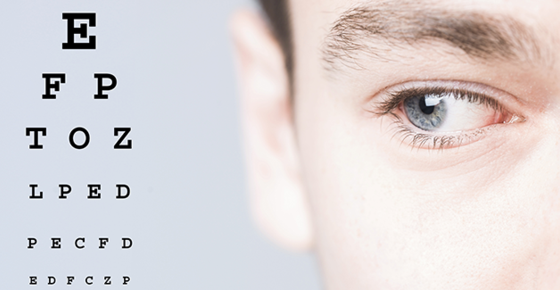
Image of man looking at eye chart.

Ophthalmologists, optometrists and opticians all play an integral role in eye and vision care. While they often work in collaboration, they require varying levels of education and are qualified to help you and your eyes in different ways.

If you aren’t sure who to talk to about your eyes, keep reading for an overview of the three Os of eye care and how each of them can help you.

Optometrists

Optometry tends to be the first line of defense in maintaining healthy eyes. The scope of practice for optometrists can vary from state to state but primarily focuses on vision problems.

One of optometrists’ primary responsibilities is to perform eye examinations to detect the presence of vision problems. Many people associate eye examinations with poor vision, but they aren’t only for people who need glasses. Regular eye exams can play an important role in maintaining overall health and helping detect other diseases, including diabetes and hypertension.

Optometrists can also prescribe glasses, contact lenses and sometimes medicated eye drops to correct the problem.

Optometrists often collaborate with ophthalmologists, or eye surgeons, and recommend patients to them who may need specialized care. Sometimes, the optometrist provides pre- or post-operative care for patients undergoing eye surgery with an ophthalmologist.

Optometrists typically provide:

  • Vision services, such as eye examinations
  • Treatment of conditions such as nearsightedness, farsightedness and astigmatism
  • Eyeglass and contact lens prescriptions and fittings
  • Low vision aids and vision therapy
  • Diagnoses of eye conditions, such as glaucoma, cataracts, macular degeneration, diabetic retinopathy and conjunctivitis
  • Medication prescriptions to treat certain eye conditions (in some states)
  • Pre- or post-operative care for people who need surgery

Ophthalmologists

Ophthalmology is the study of the anatomy, functions and diseases of the eye, and ophthalmologists deliver total eye care. As licensed medical professionals, their minimum of eight years of medical training allows them to diagnose, treat, manage eye diseases and perform surgery. They are experts in the entire optic system and provide insight into how both eye diseases and their treatments interact elsewhere in the body. Ophthalmologists can customize treatment to suit patients’ unique vision health needs.

Some of the services ophthalmologists provide include:

  • Eye health services, including regular eye exams and refractive eye care
  • Medical eye care for conditions such as chemical burns, glaucoma and iritis
  • Surgical eye care for trauma, cataracts, glaucoma and other vision problems
  • Diagnosis and treatment of eye conditions related to other diseases, such as arthritis or diabetes

In addition, some ophthalmologists provide plastic surgery — to correct drooping eyelids and to smooth wrinkles around the eyes.

If your eyes have been bothering you or you have any questions about the right person to see for your eyes, contact your doctor for more helpful information.

  • Common Eye Conditions
    • Age-Related
    • Cognitive and Acquired
    • Vision Impairment
    • Injury & Irritation
    • Eye Lids
    • Changes in Appearance
  • Contact Lenses
  • Eye Diseases
  • Eyeglasses
    • Eyeglass Lenses
  • Eye Symptoms
  • How the Eyes Work
    • Basic Visual Skills
  • Pediatric Vision
  • Protecting Your Eyes
  • Visual Rehabilitation
  • Vision Problems
  • What is Vision Therapy
  • Vision Therapy Programs
  • We Can Help With
    • Cataracts
    • Corneal Disorders
      • Disorders
    • Glaucoma
    • Refractive Disorders
    • Adult Strabismus
    • Retinal Disorders
  • Newsletters
    • Glasses & Frames
    • Contacts
    • Tips for Healthy Eyes
    • Conditions That Affect Vision
    • Kid's Vision
    • Amazing, Interesting Eyes
    • Medical Perspectives

Contact Us

We look forward to hearing from you.

Error!

    • Our Services

      We strive to provide complete care for our patients/ learn more about all the services we provide.
      Learn More
    • Schedule Online

      We will do our best to accommodate your busy schedule. Schedule an appointment today!
    • Promotions

      CLICK HERE TO VIEW ALL

    Hours of Operation

    Our Regular Schedule /We close daily for lunch from 12:45pm to 2pm

    Monday:

    10:00am

    6:00pm

    Tuesday:

    9:00am

    5:00pm

    Wednesday:

    10:00am

    6:00pm

    Thursday:

    9:00am

    5:00pm

    Friday:

    9:00am

    5:00pm

    Saturday:

    Closed

    Closed

    Sunday:

    Closed

    Closed

    No Testimonials settings found. Please configure it.
    • March Newsletter: Top Signs You Need to See an Optometrist

      Do you need to make an appointment with the eye doctor? ...

      Read More
    • March Newsletter: How Dehydration Affects Your Eye Health

      Do you know how dehydration affects your eyes? ...

      Read More
    • February Newsletter: How to Prepare for an Eye Exam

      Are you ready for your eye exam? ...

      Read More
    • February Newsletter: What are Eye Floaters and When Should You Seek Treatment?

      Do you know when eye floaters need treatment? ...

      Read More
    • January Newsletter: Why You Should Not Ignore Dry Eye Symptoms

      Are your eyes dry? Find out why you shouldn't overlook your symptoms. ...

      Read More
    • January Newsletter: How the 20-20-20 Rule Can Reduce Eye Strain

      Struggling with eye strain? This simple rule can help. ...

      Read More
    • December Newsletter: The Best Contact Lenses for Dry Eyes

      Need to find more comfortable contacts for your dry eyes? Take a look at these options. ...

      Read More
    • December Newsletter: Daily Habits That Affect Your Vision

      Could your daily habits harm your eyesight? ...

      Read More
    • November Newsletter: Why It's Important to Have an Extra Pair of Eyeglasses or Contact Lenses

      Do you have an extra pair of eyeglasses or contact lenses? ...

      Read More
    • November Newsletter: The Advantages of Rimless Eyeglasses

      Are rimless eyeglasses right for you? ...

      Read More
    No Health Form settings found. Please configure it.
    • Copyright © 2026 MH Sub I, LLC dba iMatrix.
    • Admin Log In
    • Site Map