Would you like to switch to the accessible version of this site?

Go to accessible site Close modal window

Don't need the accessible version of this site?

Hide the accessibility button Close modal window
Accessibility View Close toolbar
Victoria Family Eyecare

6380 N. Navarro

Victoria, TX 77904 US

(361) 570-2010

Open mobile navigation
  • Home
  • About Us
    • Meet the Doctor
  • Patient Center
    • Online Forms
  • Eyecare Services
    • Contact Lens Exams
    • Eye & Vision Exams
  • Frame Selection
  • Products
    • Contacts
    • Frames
    • Latisse
  • Payment Options
  • Contact Us
  • Resources
  • Community Content
    • Common Eye Conditions
      • Age-Related
      • Cognitive and Acquired
      • Vision Impairment
      • Injury & Irritation
      • Eye Lids
      • Changes in Appearance
    • Contact Lenses
    • Eye Diseases
    • Eyeglasses
      • Eyeglass Lenses
    • Eye Symptoms
    • How the Eyes Work
      • Basic Visual Skills
    • Pediatric Vision
    • Protecting Your Eyes
    • Visual Rehabilitation
    • Vision Problems
    • What is Vision Therapy
    • Vision Therapy Programs
    • We Can Help With
      • Cataracts
      • Corneal Disorders
        • Disorders
      • Glaucoma
      • Refractive Disorders
      • Adult Strabismus
      • Retinal Disorders
    • Newsletters
      • Glasses & Frames
      • Contacts
      • Tips for Healthy Eyes
      • Conditions That Affect Vision
      • Kid's Vision
      • Amazing, Interesting Eyes
      • Medical Perspectives
  • Promotions
  • Sunbit
  • Neurolens
  • Home >
  • Articles >
  • Newsletters >
  • Tips for Healthy Eyes >
  • How Did I Get a Stye?

How Did I Get a Stye?

  • Created in Newsletters, Tips for Healthy Eyes
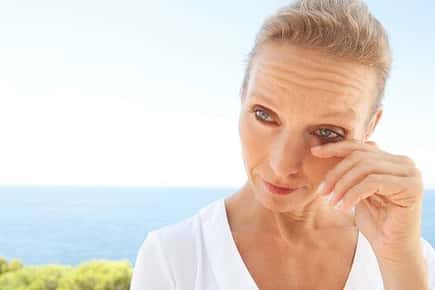
Image of woman touching her eye.

A stye, medically known as a hordeolum, appears in the eyelid area as a red pimple-like bump, and is usually tender or painful. Styes typically occur near the lash line (external hordeolum), but can also appear on the underside of the eyelid (internal hordeolum). In addition to the telltale lump, a stye can cause swelling, tearing, eyelid pain, crusting around the eye, and an irritated/scratchy sensation on the eye.

Styes occur as the result of either an infected gland or hair follicle on the eyelid. An infected meibomian gland causes a stye on the underside of an eyelid, and an infected hair follicle causes an external stye. Commonly found on the surface of the skin, the bacteria staphylococcus aureus is responsible for 90 to 95 percent of all styes. Glands and follicles can become infected in a number of ways:

  • frequently touching or rubbing eyes with unwashed hands
  • inserting or removing contact lenses with unwashed hands
  • using contact lenses which have not been properly disinfected
  • sleeping with eye makeup
  • using expired cosmetics
  • sharing eye makeup
  • using eye makeup used at the time a sty was present

Bacterial infections, however, are not the only cause of styes; complications from chronic inflammation due to a condition called blepharitis can also result in recurring styes. Other medical conditions can also increase the risk of developing styes. Seborrhea, diabetes mellitus, or other chronic ailments have been shown to make people more susceptible to styes. Also people with high lipid counts are more likely to develop blockages in their oil glands, leading to a greater chance of suffering from frequent styes. Notorious for compromising healthy immune systems, stress also commonly triggers styes.

You can reduce your risk of developing a stye by practicing good hygiene. Do not touch or rub your eyes with unwashed hands, always wash your face and remove makeup at the end of the day, thoroughly cleanse contact lenses, and discard old or expired makeup.

In most cases, a stye and its symptoms will clear up on their own within 48 hours. To help expedite the healing process and soothe symptoms, apply a warm compress on the eye for ten to fifteen minutes several times a day. Do not touch the sty or attempt to pop it, as this can spread the infection. If you have a stye, do not wear eye makeup, and go without contact lenses until the stye has healed completely.

Source:

Segre, Liz. “7 Things to Know About an Eye Stye.” All About Vision. November 2012.

  • Common Eye Conditions
    • Age-Related
    • Cognitive and Acquired
    • Vision Impairment
    • Injury & Irritation
    • Eye Lids
    • Changes in Appearance
  • Contact Lenses
  • Eye Diseases
  • Eyeglasses
    • Eyeglass Lenses
  • Eye Symptoms
  • How the Eyes Work
    • Basic Visual Skills
  • Pediatric Vision
  • Protecting Your Eyes
  • Visual Rehabilitation
  • Vision Problems
  • What is Vision Therapy
  • Vision Therapy Programs
  • We Can Help With
    • Cataracts
    • Corneal Disorders
      • Disorders
    • Glaucoma
    • Refractive Disorders
    • Adult Strabismus
    • Retinal Disorders
  • Newsletters
    • Glasses & Frames
    • Contacts
    • Tips for Healthy Eyes
    • Conditions That Affect Vision
    • Kid's Vision
    • Amazing, Interesting Eyes
    • Medical Perspectives

Contact Us

We look forward to hearing from you.

Error!

    • Our Services

      We strive to provide complete care for our patients/ learn more about all the services we provide.
      Learn More
    • Schedule Online

      We will do our best to accommodate your busy schedule. Schedule an appointment today!
    • Promotions

      CLICK HERE TO VIEW ALL

    Hours of Operation

    Our Regular Schedule /We close daily for lunch from 12:45pm to 2pm

    Monday:

    10:00am

    6:00pm

    Tuesday:

    9:00am

    5:00pm

    Wednesday:

    10:00am

    6:00pm

    Thursday:

    9:00am

    5:00pm

    Friday:

    9:00am

    5:00pm

    Saturday:

    Closed

    Closed

    Sunday:

    Closed

    Closed

    No Testimonials settings found. Please configure it.
    • March Newsletter: Top Signs You Need to See an Optometrist

      Do you need to make an appointment with the eye doctor? ...

      Read More
    • March Newsletter: How Dehydration Affects Your Eye Health

      Do you know how dehydration affects your eyes? ...

      Read More
    • February Newsletter: How to Prepare for an Eye Exam

      Are you ready for your eye exam? ...

      Read More
    • February Newsletter: What are Eye Floaters and When Should You Seek Treatment?

      Do you know when eye floaters need treatment? ...

      Read More
    • January Newsletter: Why You Should Not Ignore Dry Eye Symptoms

      Are your eyes dry? Find out why you shouldn't overlook your symptoms. ...

      Read More
    • January Newsletter: How the 20-20-20 Rule Can Reduce Eye Strain

      Struggling with eye strain? This simple rule can help. ...

      Read More
    • December Newsletter: The Best Contact Lenses for Dry Eyes

      Need to find more comfortable contacts for your dry eyes? Take a look at these options. ...

      Read More
    • December Newsletter: Daily Habits That Affect Your Vision

      Could your daily habits harm your eyesight? ...

      Read More
    • November Newsletter: Why It's Important to Have an Extra Pair of Eyeglasses or Contact Lenses

      Do you have an extra pair of eyeglasses or contact lenses? ...

      Read More
    • November Newsletter: The Advantages of Rimless Eyeglasses

      Are rimless eyeglasses right for you? ...

      Read More
    No Health Form settings found. Please configure it.
    • Copyright © 2026 MH Sub I, LLC dba iMatrix.
    • Admin Log In
    • Site Map