Would you like to switch to the accessible version of this site?

Go to accessible site Close modal window

Don't need the accessible version of this site?

Hide the accessibility button Close modal window
Accessibility View Close toolbar
Victoria Family Eyecare

6380 N. Navarro

Victoria, TX 77904 US

(361) 570-2010

Open mobile navigation
  • Home
  • About Us
    • Meet the Doctor
  • Patient Center
    • Online Forms
  • Eyecare Services
    • Contact Lens Exams
    • Eye & Vision Exams
  • Frame Selection
  • Products
    • Contacts
    • Frames
    • Latisse
  • Payment Options
  • Contact Us
  • Resources
  • Community Content
    • Common Eye Conditions
      • Age-Related
      • Cognitive and Acquired
      • Vision Impairment
      • Injury & Irritation
      • Eye Lids
      • Changes in Appearance
    • Contact Lenses
    • Eye Diseases
    • Eyeglasses
      • Eyeglass Lenses
    • Eye Symptoms
    • How the Eyes Work
      • Basic Visual Skills
    • Pediatric Vision
    • Protecting Your Eyes
    • Visual Rehabilitation
    • Vision Problems
    • What is Vision Therapy
    • Vision Therapy Programs
    • We Can Help With
      • Cataracts
      • Corneal Disorders
        • Disorders
      • Glaucoma
      • Refractive Disorders
      • Adult Strabismus
      • Retinal Disorders
    • Newsletters
      • Glasses & Frames
      • Contacts
      • Tips for Healthy Eyes
      • Conditions That Affect Vision
      • Kid's Vision
      • Amazing, Interesting Eyes
      • Medical Perspectives
  • Promotions
  • Sunbit
  • Neurolens
  • Home >
  • Articles >
  • Protecting Your Eyes >
  • Lifestyle Practices for Eye Health

Lifestyle Practices for Eye Health

  • Created in Protecting Your Eyes
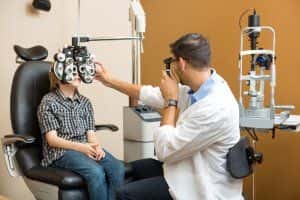
Image of a child getting an eye exam.

Protecting your eyesight is an important part of staying healthy overall. Maintaining sound eye health will also help you preserve your quality of life as you age. To keep your eyes as healthy as possible, follow these simple lifestyle practices.

Get regular eye exams. Some eye problems — including age-related macular degeneration, diabetic eye disease and glaucoma — may not show any warning signs until they have progressed into their advanced stages, limiting the treatment options. However, by undergoing regular eye exams, your eye doctor can help detect eye problems in their early stages and suggest appropriate treatment options sooner.

Learn your family eye health history. If other members of your family have been diagnosed with eye conditions, you may be more at risk of developing them. If you have a family history of eye disease, alert your eye doctor, so he or she can monitor your eye health.

Eat a healthy diet. It’s not just carrots that are good for your eyes. A diet rich in fresh fruits and vegetables can help keep your eyes healthy. This includes dark, leafy greens, such as collard greens, kale and spinach. Fish high in omega-3 fatty acids may also help protect your eye health; these include halibut, salmon and tuna, among others.

Maintain a healthy weight. Being overweight or obese can increase your risk of certain eye conditions, such as diabetic eye disease and glaucoma. Eating a healthy diet and exercising regularly can help you lose weight and keep the weight off. If you still have trouble, talk to your doctor.

Give up smoking. Smoking tobacco increases your risk of several eye conditions, including age-related macular degeneration, cataracts and damage to the optic nerve. If left untreated, these eye conditions can lead to blindness.

Wear sunglasses. The ultraviolet rays in sunlight can damage, not only your skin, but also your eyes. To keep your eyes safe, wear sunglasses whenever you are outside. Make sure the glasses are certified to block 99 to 100 percent of both UV-A and UV-B radiation.

Let your eyes rest regularly. If you read, use a computer or do close-up work for long periods, give your eyes frequent breaks using the 20-20-20 rule. Every 20 minutes, look at an object about 20 feet away for 20 seconds.

Keep your contact lenses clean. If you wear contact lenses, be sure to follow their cleaning instructions closely. In addition, wash your hands thoroughly before you take out or put in your contact lenses. This will reduce your risk of developing an eye infection.

Be eye safe at work. If your workplace requires protective eyewear, be sure to wear them at all times. In addition, know what to do if you, or one of your coworkers, has an eye injury or is splashed in the eyes with harsh chemicals.

  • Common Eye Conditions
    • Age-Related
    • Cognitive and Acquired
    • Vision Impairment
    • Injury & Irritation
    • Eye Lids
    • Changes in Appearance
  • Contact Lenses
  • Eye Diseases
  • Eyeglasses
    • Eyeglass Lenses
  • Eye Symptoms
  • How the Eyes Work
    • Basic Visual Skills
  • Pediatric Vision
  • Protecting Your Eyes
  • Visual Rehabilitation
  • Vision Problems
  • What is Vision Therapy
  • Vision Therapy Programs
  • We Can Help With
    • Cataracts
    • Corneal Disorders
      • Disorders
    • Glaucoma
    • Refractive Disorders
    • Adult Strabismus
    • Retinal Disorders
  • Newsletters
    • Glasses & Frames
    • Contacts
    • Tips for Healthy Eyes
    • Conditions That Affect Vision
    • Kid's Vision
    • Amazing, Interesting Eyes
    • Medical Perspectives

Contact Us

We look forward to hearing from you.

Error!

    • Our Services

      We strive to provide complete care for our patients/ learn more about all the services we provide.
      Learn More
    • Schedule Online

      We will do our best to accommodate your busy schedule. Schedule an appointment today!
    • Promotions

      CLICK HERE TO VIEW ALL

    Hours of Operation

    Our Regular Schedule /We close daily for lunch from 12:45pm to 2pm

    Monday:

    10:00am

    6:00pm

    Tuesday:

    9:00am

    5:00pm

    Wednesday:

    10:00am

    6:00pm

    Thursday:

    9:00am

    5:00pm

    Friday:

    9:00am

    5:00pm

    Saturday:

    Closed

    Closed

    Sunday:

    Closed

    Closed

    No Testimonials settings found. Please configure it.
    • March Newsletter: Top Signs You Need to See an Optometrist

      Do you need to make an appointment with the eye doctor? ...

      Read More
    • March Newsletter: How Dehydration Affects Your Eye Health

      Do you know how dehydration affects your eyes? ...

      Read More
    • February Newsletter: How to Prepare for an Eye Exam

      Are you ready for your eye exam? ...

      Read More
    • February Newsletter: What are Eye Floaters and When Should You Seek Treatment?

      Do you know when eye floaters need treatment? ...

      Read More
    • January Newsletter: Why You Should Not Ignore Dry Eye Symptoms

      Are your eyes dry? Find out why you shouldn't overlook your symptoms. ...

      Read More
    • January Newsletter: How the 20-20-20 Rule Can Reduce Eye Strain

      Struggling with eye strain? This simple rule can help. ...

      Read More
    • December Newsletter: The Best Contact Lenses for Dry Eyes

      Need to find more comfortable contacts for your dry eyes? Take a look at these options. ...

      Read More
    • December Newsletter: Daily Habits That Affect Your Vision

      Could your daily habits harm your eyesight? ...

      Read More
    • November Newsletter: Why It's Important to Have an Extra Pair of Eyeglasses or Contact Lenses

      Do you have an extra pair of eyeglasses or contact lenses? ...

      Read More
    • November Newsletter: The Advantages of Rimless Eyeglasses

      Are rimless eyeglasses right for you? ...

      Read More
    No Health Form settings found. Please configure it.
    • Copyright © 2026 MH Sub I, LLC dba iMatrix.
    • Admin Log In
    • Site Map