Would you like to switch to the accessible version of this site?

Go to accessible site Close modal window

Don't need the accessible version of this site?

Hide the accessibility button Close modal window
Accessibility View Close toolbar
Victoria Family Eyecare

6380 N. Navarro

Victoria, TX 77904 US

(361) 570-2010

Open mobile navigation
  • Home
  • About Us
    • Meet the Doctor
  • Patient Center
    • Online Forms
  • Eyecare Services
    • Contact Lens Exams
    • Eye & Vision Exams
  • Frame Selection
  • Products
    • Contacts
    • Frames
    • Latisse
  • Payment Options
  • Contact Us
  • Resources
  • Community Content
    • Common Eye Conditions
      • Age-Related
      • Cognitive and Acquired
      • Vision Impairment
      • Injury & Irritation
      • Eye Lids
      • Changes in Appearance
    • Contact Lenses
    • Eye Diseases
    • Eyeglasses
      • Eyeglass Lenses
    • Eye Symptoms
    • How the Eyes Work
      • Basic Visual Skills
    • Pediatric Vision
    • Protecting Your Eyes
    • Visual Rehabilitation
    • Vision Problems
    • What is Vision Therapy
    • Vision Therapy Programs
    • We Can Help With
      • Cataracts
      • Corneal Disorders
        • Disorders
      • Glaucoma
      • Refractive Disorders
      • Adult Strabismus
      • Retinal Disorders
    • Newsletters
      • Glasses & Frames
      • Contacts
      • Tips for Healthy Eyes
      • Conditions That Affect Vision
      • Kid's Vision
      • Amazing, Interesting Eyes
      • Medical Perspectives
  • Promotions
  • Sunbit
  • Neurolens
  • Home >
  • Articles >
  • Vision Problems >
  • Amblyopia

Amblyopia

  • Created in Vision Problems
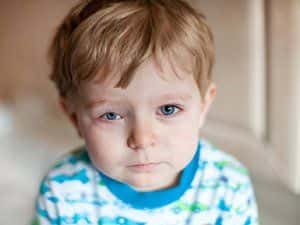
somber boy with amblyopia

Amblyopia, commonly called lazy eye, refers to the improper development or significant loss of vision in an eye. It occurs when the brain does not acknowledge the images seen by the amblyopic eye.

Amblyopia Causes

Amblyopia occurs when an individual cannot use binocular vision (both eyes working together) due to one of three reasons:

  1. Strabismus - The most common cause of amblyopia is strabismus, a misalignment of the eyes. To prevent the double vision caused by strabismus, the brain ignores information from one eye.
  2. Unequal Refractive Errors - Refractive amblyopia occurs when the brain favors one eye due to extreme nearsightedness, farsightedness, or astigmatism in the other eye.
  3. Vision Obstruction - Called deprivation amblyopia, this type of lazy eye is caused when an infant's vision is obstructed and hindered from normal development. Congenital cataracts typically cause this type of amblyopia, and require surgery for treatment.

Who is at Risk?

A condition associated with eye development, amblyopia usually begins in infancy or early childhood. For this reason, amblyopia can be difficult to detect. Eye care professionals recommend children have an eye exam at six months, three years, and before starting school to diagnose amblyopia early.

Signs and Symptoms of Amblyopia

The primary symptom of amblyopia is the loss of vision in one eye. Since amblyopia does not have many outward symptoms and is often present in infants and young children, it can be difficult to spot.

In some cases, a misalignment of the eyes will be apparent. To test infants at home, a parent can try covering one of the child's eyes at a time while observing behavior. If the infant consistently fusses or cries when one eye is covered, this might indicate a vision problem. Since amblyopia most commonly affects only one eye, children will also consistently bump into objects on the affected side.

Diagnosis and Treatment

An eye care provider will diagnose amblyopia with visual acuity and binocular vision tests. Treatment will focus on strengthening the amblyopic eye and retraining the brain to use the weaker eye with eye patches, glasses, vision therapy, and sometimes strabismus surgery.

Treatment is most effective at a young age, but developments in eye care have successfully treated older patients. If left untreated, amblyopia leads to problems with depth perception, blindness in one eye, and if the stronger eye becomes injured, serious problems with visual acuity.

  • Common Eye Conditions
    • Age-Related
    • Cognitive and Acquired
    • Vision Impairment
    • Injury & Irritation
    • Eye Lids
    • Changes in Appearance
  • Contact Lenses
  • Eye Diseases
  • Eyeglasses
    • Eyeglass Lenses
  • Eye Symptoms
  • How the Eyes Work
    • Basic Visual Skills
  • Pediatric Vision
  • Protecting Your Eyes
  • Visual Rehabilitation
  • Vision Problems
  • What is Vision Therapy
  • Vision Therapy Programs
  • We Can Help With
    • Cataracts
    • Corneal Disorders
      • Disorders
    • Glaucoma
    • Refractive Disorders
    • Adult Strabismus
    • Retinal Disorders
  • Newsletters
    • Glasses & Frames
    • Contacts
    • Tips for Healthy Eyes
    • Conditions That Affect Vision
    • Kid's Vision
    • Amazing, Interesting Eyes
    • Medical Perspectives

Contact Us

We look forward to hearing from you.

Error!

    • Our Services

      We strive to provide complete care for our patients/ learn more about all the services we provide.
      Learn More
    • Schedule Online

      We will do our best to accommodate your busy schedule. Schedule an appointment today!
    • Promotions

      CLICK HERE TO VIEW ALL

    Hours of Operation

    Our Regular Schedule /We close daily for lunch from 12:45pm to 2pm

    Monday:

    10:00am

    6:00pm

    Tuesday:

    9:00am

    5:00pm

    Wednesday:

    10:00am

    6:00pm

    Thursday:

    9:00am

    5:00pm

    Friday:

    9:00am

    5:00pm

    Saturday:

    Closed

    Closed

    Sunday:

    Closed

    Closed

    No Testimonials settings found. Please configure it.
    • March Newsletter: Top Signs You Need to See an Optometrist

      Do you need to make an appointment with the eye doctor? ...

      Read More
    • March Newsletter: How Dehydration Affects Your Eye Health

      Do you know how dehydration affects your eyes? ...

      Read More
    • February Newsletter: How to Prepare for an Eye Exam

      Are you ready for your eye exam? ...

      Read More
    • February Newsletter: What are Eye Floaters and When Should You Seek Treatment?

      Do you know when eye floaters need treatment? ...

      Read More
    • January Newsletter: Why You Should Not Ignore Dry Eye Symptoms

      Are your eyes dry? Find out why you shouldn't overlook your symptoms. ...

      Read More
    • January Newsletter: How the 20-20-20 Rule Can Reduce Eye Strain

      Struggling with eye strain? This simple rule can help. ...

      Read More
    • December Newsletter: The Best Contact Lenses for Dry Eyes

      Need to find more comfortable contacts for your dry eyes? Take a look at these options. ...

      Read More
    • December Newsletter: Daily Habits That Affect Your Vision

      Could your daily habits harm your eyesight? ...

      Read More
    • November Newsletter: Why It's Important to Have an Extra Pair of Eyeglasses or Contact Lenses

      Do you have an extra pair of eyeglasses or contact lenses? ...

      Read More
    • November Newsletter: The Advantages of Rimless Eyeglasses

      Are rimless eyeglasses right for you? ...

      Read More
    No Health Form settings found. Please configure it.
    • Copyright © 2026 MH Sub I, LLC dba iMatrix.
    • Admin Log In
    • Site Map